Pakistan said it carried out multiple air strikes inside Afghanistan overnight, targeting militant groups it accuses of orchestrating recent suicide attacks on its territory. Afghan authorities reported that dozens of civilians were killed or wounded, including women and children.
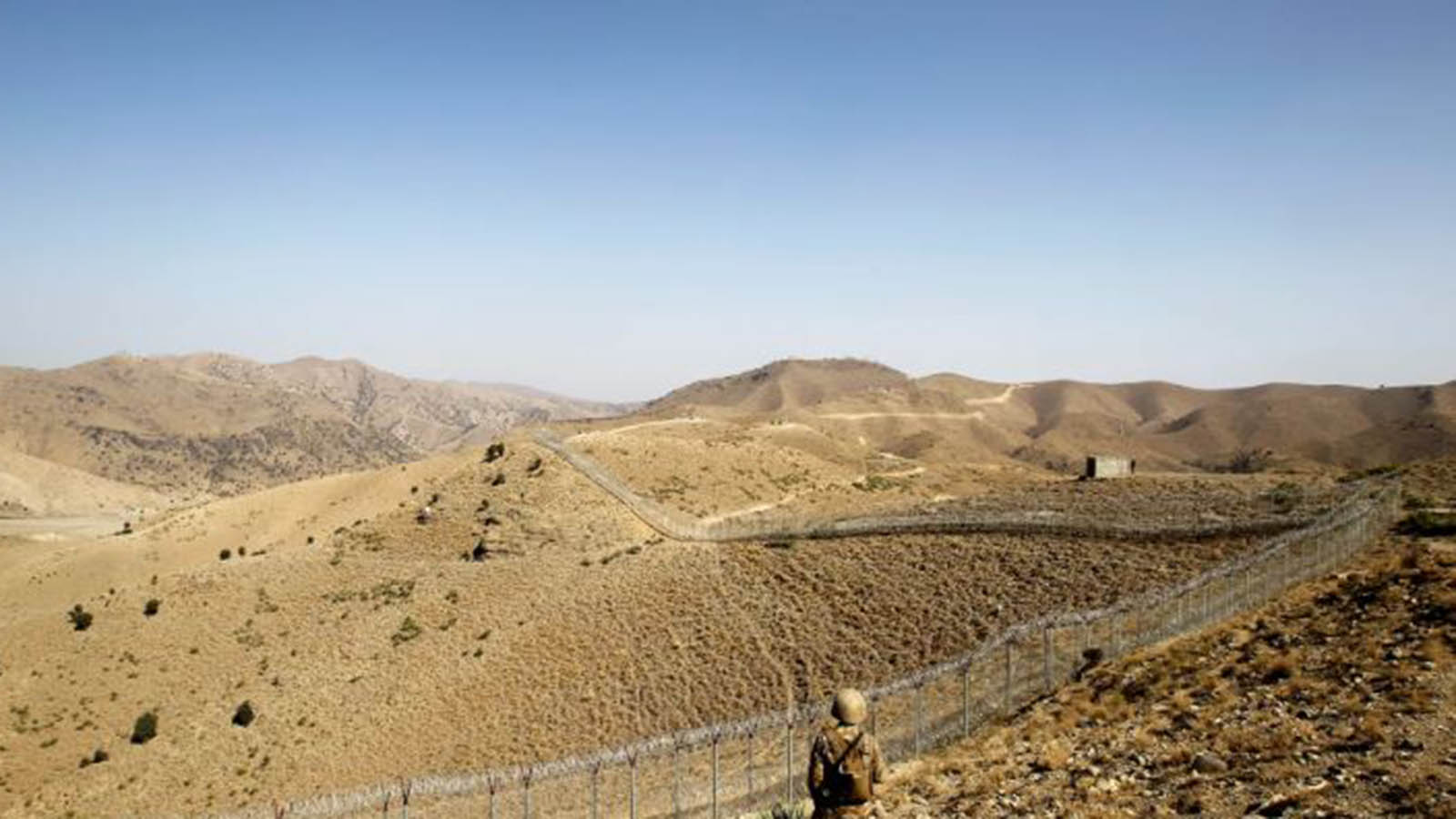
Islamabad described the operation as the most extensive since deadly border clashes in October left more than 70 people dead on both sides and hundreds injured. In a statement, Pakistan’s Ministry of Information and Broadcasting said seven sites along the frontier were struck, aimed at Afghanistan-based militant networks.
According to the statement, the targets included the Pakistani Taliban and its associates, as well as an affiliate of the Islamic State group. The strikes were framed as retaliation for recent suicide bombings in Pakistan, including an attack on a Shiite mosque in Islamabad two weeks ago that killed at least 40 people and wounded more than 160. The Islamic State group claimed responsibility for that bombing, the deadliest in the capital since 2008.
Afghan officials said the air strikes hit eastern Nangarhar province and southeastern Paktika province. Government spokesperson Zabihullah Mujahid accused Pakistan of attempting to mask its own security failures through cross-border attacks, describing the strikes as crimes.
An AFP journalist in Nangarhar’s Bihsud district reported scenes of destruction, with residents using heavy machinery to search through rubble. An Afghan security source said that 17 people were killed when a house was struck in Bihsud, including 12 children and teenagers. The casualty figures have not been independently verified.
Tensions between Islamabad and Kabul have intensified since the Taliban regained control of Afghanistan in 2021. Pakistan has repeatedly accused the Afghan authorities of failing to act against militants operating from Afghan soil, particularly the Tehreek-e-Taliban Pakistan (TTP), which has stepped up attacks in northwest Pakistan.
The Afghan government denies providing sanctuary to militant groups.
The October clashes along the border were halted by a ceasefire brokered by Qatar and Turkey. However, subsequent rounds of negotiations in Doha and Istanbul have not produced a durable settlement. Security cooperation remains the central sticking point.
For Pakistan, cross-border strikes signal a willingness to pursue militants beyond its frontier. For Afghanistan’s Taliban-led government, they represent a violation of sovereignty and a challenge to its claim of restoring stability after decades of war.
The exchange underscores the fragility of the border region, where militant networks, tribal ties and contested authority blur the line between internal security and interstate conflict. Without renewed dialogue or coordinated security mechanisms, the risk of further escalation remains high, with civilians bearing much of the cost.