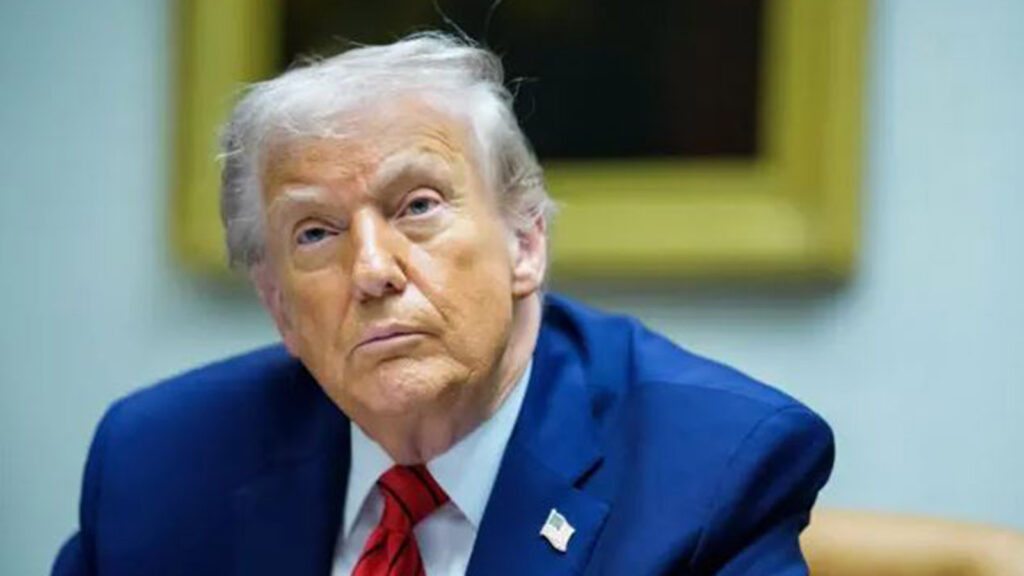
President Donald Trump has assembled a formidable U.S. military presence in the Middle East, but has provided little clarity about what Washington ultimately seeks if confrontation with Iran turns into open conflict.
Warships and fighter aircraft have been deployed across the region, and contingency plans reportedly include a range of strike options — from limited attacks on specific facilities to broader campaigns targeting Iran’s missile infrastructure or senior leadership.
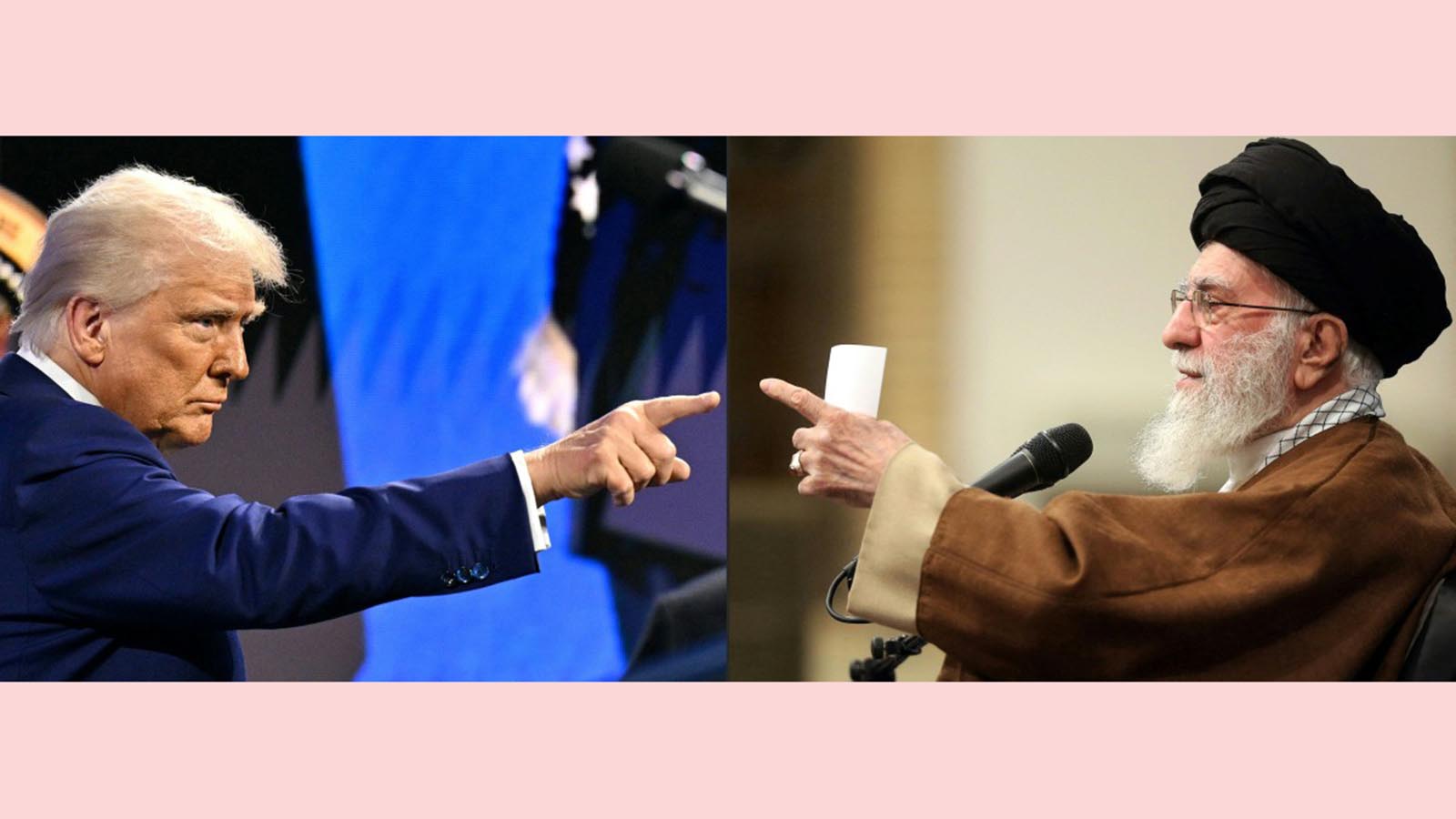
Trump has said he will decide within days whether to authorise strikes if nuclear negotiations fail. According to U.S. media reports, the options presented to him include direct action against Iran’s Supreme Leader, Ali Khamenei, as well as attacks on the Islamic Revolutionary Guard Corps and missile sites.
Publicly, Trump maintains he prefers a diplomatic solution. He has called for an agreement that would curb Iran’s nuclear programme, limit its ballistic missile capability and address its support for regional armed groups such as Hezbollah and Hamas. Tehran has rejected linking its missile programme to nuclear talks.
Two recent rounds of indirect negotiations, mediated by Oman and Switzerland, have not narrowed the gap. Talks are expected to resume in Switzerland.
Analysts suggest the administration may be aiming for a short, high-impact campaign rather than a prolonged war. Alex Vatanka of the Middle East Institute argues that Washington could seek to degrade Iran’s missile capabilities and reset regional deterrence without becoming entangled in a wider conflict.
Iran has warned it would retaliate forcefully against any attack. U.S. bases and naval assets in the Gulf would likely be among potential targets.
The military posture underscores the scale of potential escalation. The U.S. currently has 13 warships in the region, including the aircraft carrier USS Abraham Lincoln, alongside destroyers and frigates. The carrier USS Gerald R. Ford has been photographed entering the Mediterranean. Dozens of additional aircraft and tens of thousands of U.S. troops are stationed across the Middle East.
Yet the central question remains unresolved: to what end?
Trump has at times framed potential action as a response to Iran’s nuclear ambitions, asserting that previous U.S. strikes damaged key enrichment facilities. At other times, he has linked his rhetoric to Iran’s internal unrest, suggesting regime change could foster regional peace.
Critics argue the objectives appear fluid. Democratic lawmakers have called for congressional consultation, noting that under the U.S. Constitution only Congress can formally declare war.
Richard Haass, former president of the Council on Foreign Relations, has questioned whether military action would weaken or instead consolidate the Iranian government. Secretary of State Marco Rubio has acknowledged uncertainty about what might follow the fall of Iran’s leadership.
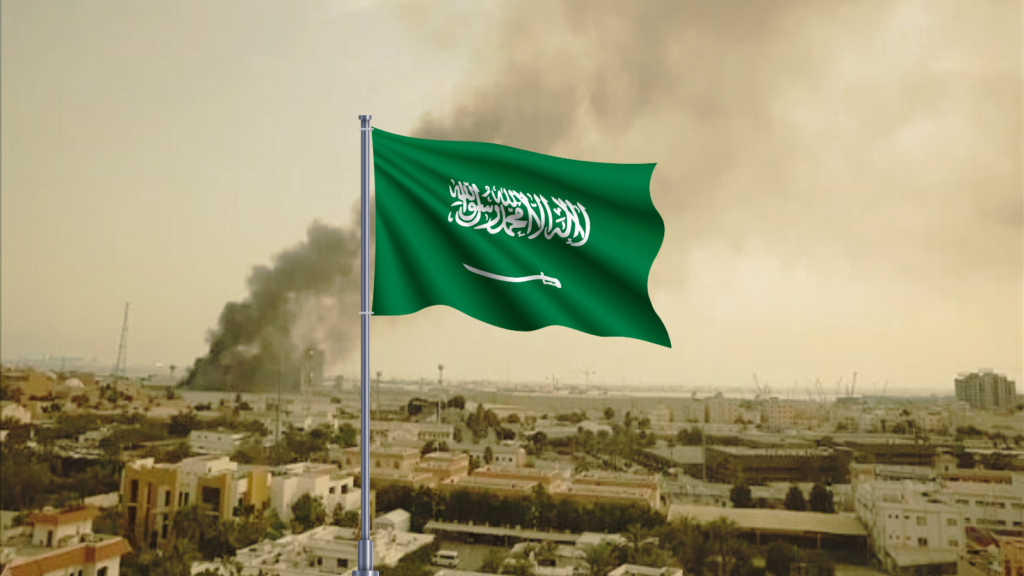
Regional actors are also wary. Gulf monarchies with economic ties to Tehran have cautioned against escalation, fearing they could become targets of retaliatory strikes.
Iran’s political structure, with multiple centres of power and entrenched security institutions, complicates assumptions about rapid regime collapse. A “decapitation strike,” some analysts warn, could fragment authority and produce instability rather than transition.
For now, the administration balances deterrence with diplomacy. But without a clearly defined political objective, the risk is that military action — whether brief or extended — could reshape the region in unpredictable ways.