As Iran confronts renewed domestic unrest and the threat of U.S. military action, Supreme Leader Ali Khamenei has turned to a long-time confidant to manage the crisis: Ali Larijani.
According to multiple senior Iranian officials and members of the Revolutionary Guards, Larijani has assumed an expanded leadership role since early January, effectively overseeing national security, diplomacy and wartime contingency planning. His ascent has sidelined President Masoud Pezeshkian, who has struggled to assert authority during a year marked by protests, economic strain and mounting external pressure.
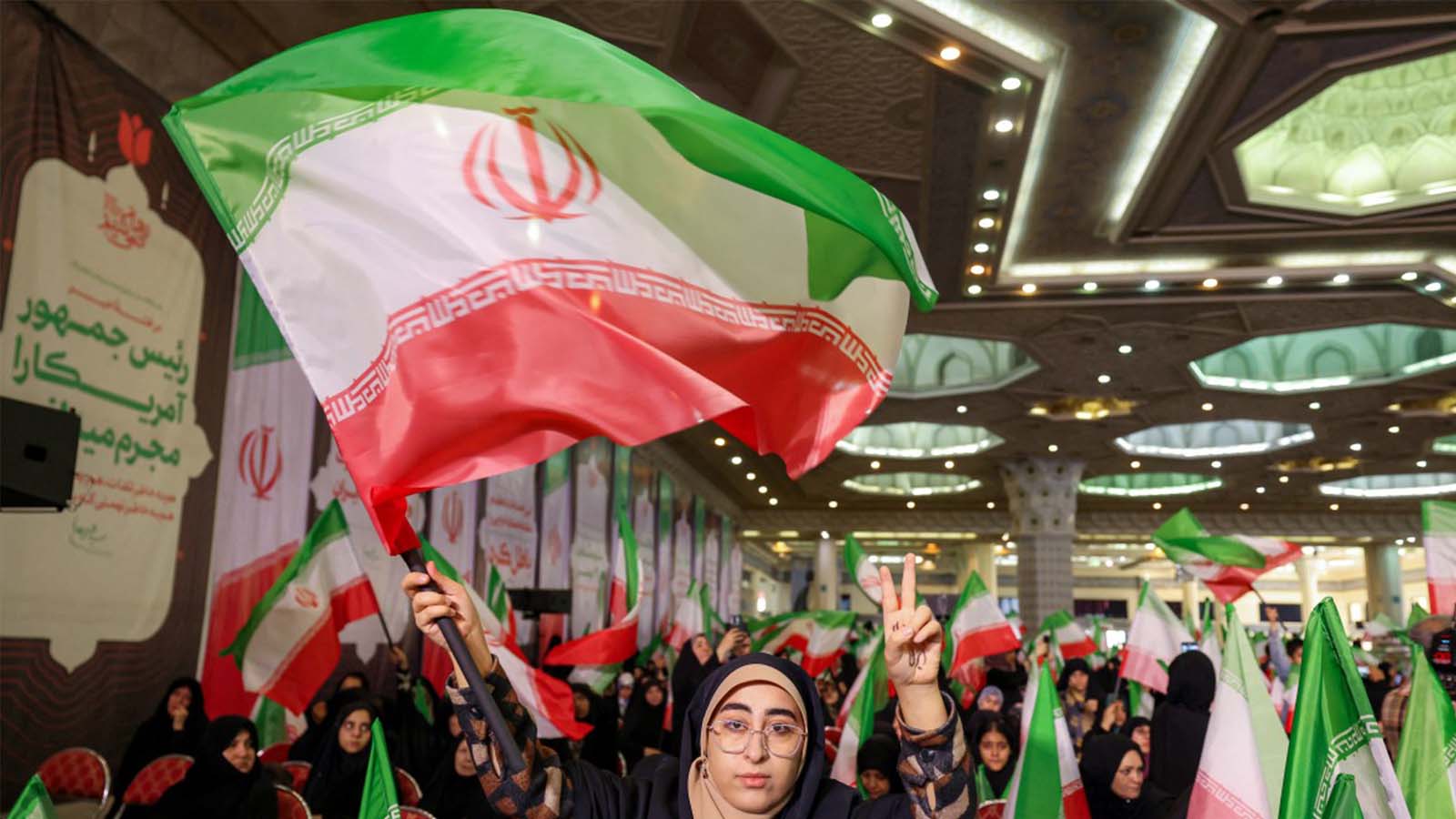
Larijani, 67, is a veteran of Iran’s political establishment. A former commander in the Islamic Revolutionary Guard Corps and a past speaker of Parliament, he now heads the Supreme National Security Council. In recent months, he has supervised the suppression of protests demanding an end to clerical rule, coordinated outreach to Russia and regional actors such as Qatar and Oman, and overseen indirect nuclear negotiations with Washington.
Publicly, Larijani has projected readiness for confrontation while leaving room for diplomacy. “We are not looking for war,” he said during a visit to Doha. “But if they force it on us, we will respond.”
Behind the scenes, preparations appear extensive. Officials say Khamenei has issued directives establishing layered succession plans for military and government posts he directly appoints. Senior leaders have been instructed to designate multiple replacements. Authority has been delegated to a tight circle of trusted figures in case communications are severed or the supreme leader is killed.
While Larijani is not considered a potential successor to Khamenei — he is not a senior Shiite cleric, a constitutional requirement — he is firmly within the inner circle. That group includes Maj. Gen. Yahya Rahim Safavi, Brig. Gen. Mohammad Bagher Ghalibaf, currently speaker of Parliament, and senior clerical adviser Ali Asghar Hejazi. After a brief but intense war with Israel last June exposed vulnerabilities in Iran’s command structure, Khamenei appointed Larijani to lead the National Security Council and established a new National Defense Council headed by Adm. Ali Shamkhani to coordinate wartime operations.
Iranian forces are now on heightened alert. Missile launchers have reportedly been positioned along western and southern fronts, within range of Israeli and U.S. assets. Airspace closures and naval exercises in the Persian Gulf have accompanied periodic closures of the Strait of Hormuz during drills.
Analysts say Tehran is preparing for the possibility of strikes while attempting to preserve regime cohesion. Special police units, intelligence services and Basij militia forces are poised to deploy in major cities should unrest erupt during a conflict.
Within the political leadership, contingency discussions include who might assume executive authority if senior figures are killed. Larijani is viewed by insiders as the leading candidate to manage such a transition, followed by Ghalibaf and, unexpectedly, former president Hassan Rouhani.
For now, Khamenei remains the central pillar of the system. But his reduced public visibility and expanded delegation of power reflect a leadership bracing for instability. As diplomacy continues alongside military signalling, Iran’s governing elite appears to be preparing for a scenario in which succession and war could intersect — reshaping the Islamic Republic’s future under pressure from both within and beyond its borders.