When Russia launched its full-scale invasion of Ukraine on February 24, 2022, it triggered the deadliest conflict in Europe since World War II.
Four years later, the war has hardened into a grinding confrontation marked by territorial attrition, demographic upheaval and deep geopolitical realignment.
Destruction
Large swathes of eastern and southern Ukraine have been devastated. Cities such as Bakhmut, Toretsk and Vovchansk have been reduced to ruins after prolonged fighting. The World Health Organization has verified more than 2,800 attacks on healthcare facilities. Repeated strikes on energy infrastructure have left millions without reliable heat and electricity during winter months.
According to the UN Mine Action Service, roughly one-fifth of Ukraine’s territory is contaminated by mines or unexploded ordnance. The World Bank estimates reconstruction costs could reach $588 billion over the next decade — a figure that continues to rise as hostilities persist.
Human Toll
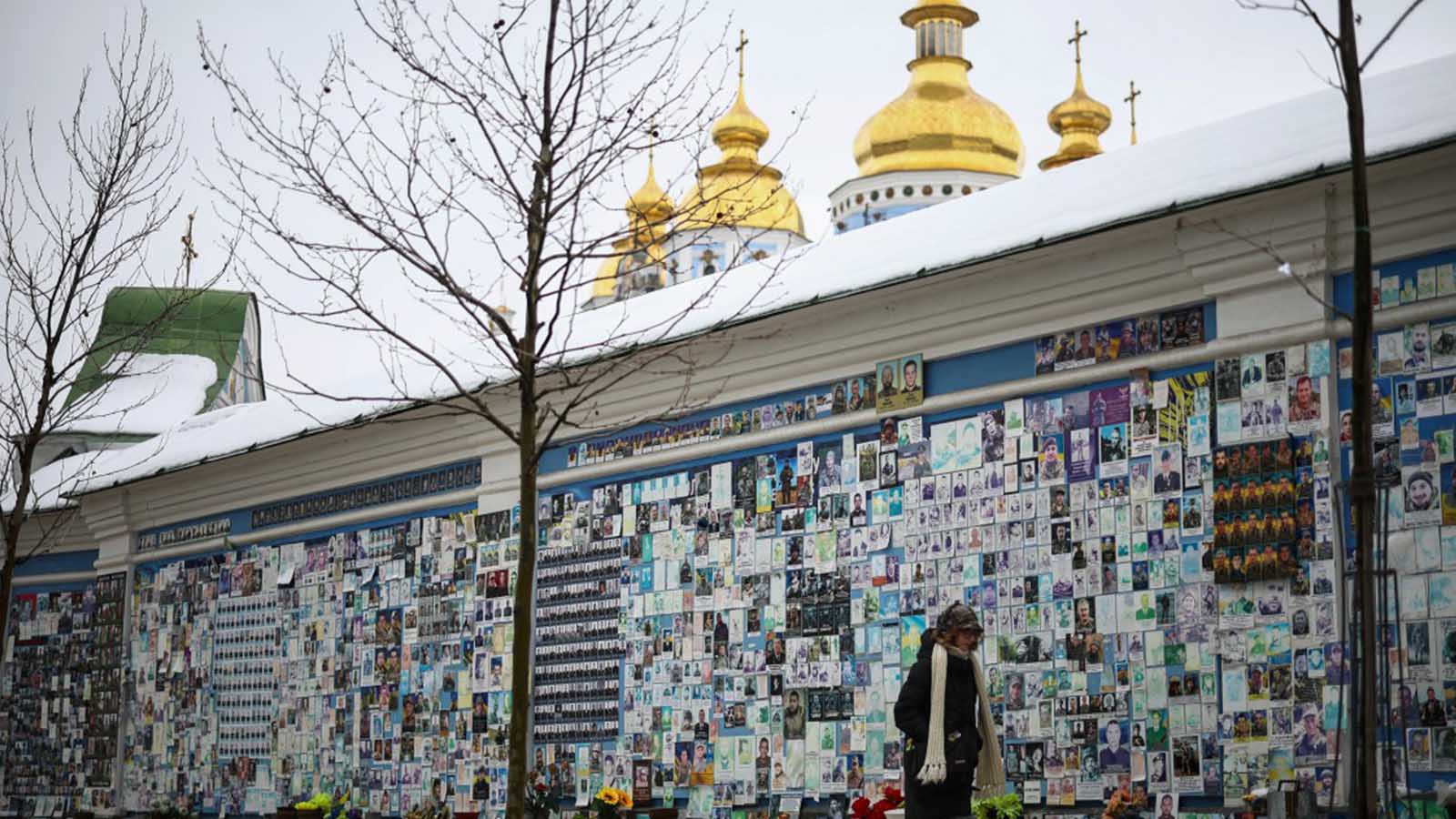
The United Nations has verified more than 15,000 civilian deaths, though it acknowledges the true number is likely far higher due to limited access to occupied areas such as Mariupol. Ukrainian retaliatory strikes on Russian border regions have also killed hundreds.
Ukraine says around 20,000 children have been forcibly displaced or taken from occupied territories. The UN Refugee Agency reports that 5.9 million Ukrainian refugees remain abroad, with another 3.7 million internally displaced.
Military losses remain opaque. President Volodymyr Zelensky recently said 55,000 Ukrainian soldiers had been killed, a figure many analysts believe understates the toll. Russia has not updated its official casualty figures since 2022. Independent Russian outlet Mediazona and the BBC have verified at least 177,000 Russian military deaths through public records, while the Center for Strategic and International Studies estimates up to 325,000 Russian soldiers may have been killed.
Frontline and Diplomacy
As of mid-February, Moscow controls about 19.5 percent of Ukrainian territory, according to the Institute for the Study of War. Roughly seven percent — including Crimea and parts of Donbas — was under Russian control before the 2022 invasion.
Russian advances accelerated last year but have slowed compared to the initial phases of the war. The Kremlin continues to seek full control of Donetsk and insists on restrictions on Western military support for Kyiv. Ukraine rejects territorial concessions, citing constitutional barriers and public opposition.
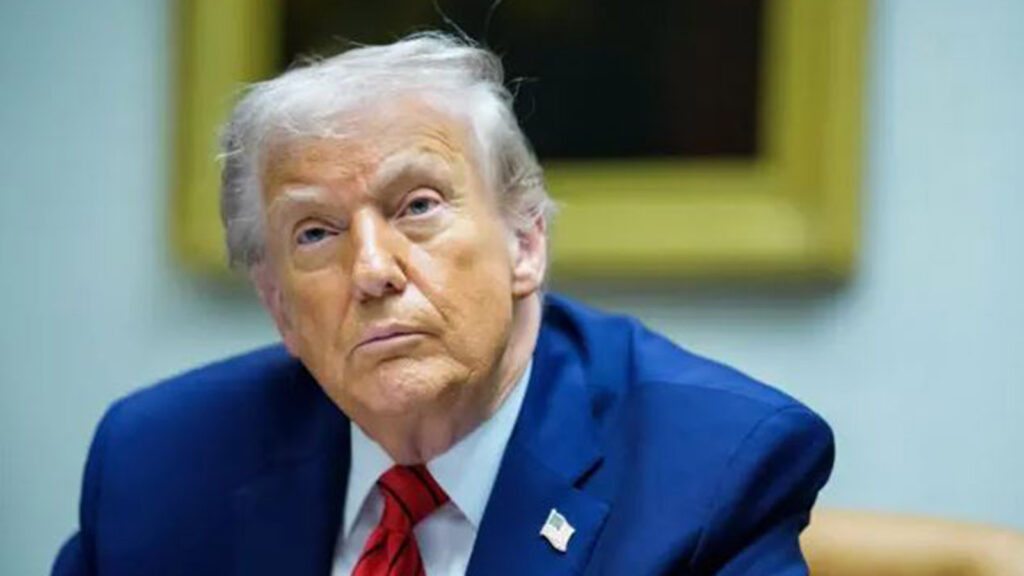
Multiple diplomatic efforts — including talks in Istanbul, Abu Dhabi and Geneva — have failed to produce a settlement since Donald Trump returned to office.
Economic Strain
Ukraine’s economy contracted by nearly one-third in 2022. While modest recovery has followed, Kyiv relies heavily on international financial support, including IMF programmes, to meet budget needs.
Russia’s economy initially expanded under wartime production but has slowed, growing by just one percent last year. Energy revenues, which account for roughly a quarter of state income, fell to a five-year low amid sanctions and attacks on oil infrastructure.
Politics and Society
Ukraine has suspended elections under martial law and faces internal pressures, including corruption allegations. In Russia, authorities have intensified repression. Mediazona reports more than 10,000 cases opened against individuals accused of discrediting the armed forces. Returning veterans, including former convicts recruited to fight, have been linked to rising violent crime.
International Alignment
Ukraine remains dependent on Western arms and financing. European countries have provided 201 billion euros in aid since 2022, according to Germany’s Kiel Institute. The United States has delivered roughly $115 billion, though recent policy shifts have placed greater financial expectations on Europe.
Russia has deepened ties with non-Western partners. North Korea has sent troops and munitions. Iran has supplied drone technology. China has emerged as a key economic partner, helping cushion the impact of sanctions.
Four years in, the conflict shows no clear path to resolution. The territorial map has shifted, but neither side has secured decisive advantage. The war has entrenched a new era of confrontation between Russia and the West, reshaping European security for years to come.