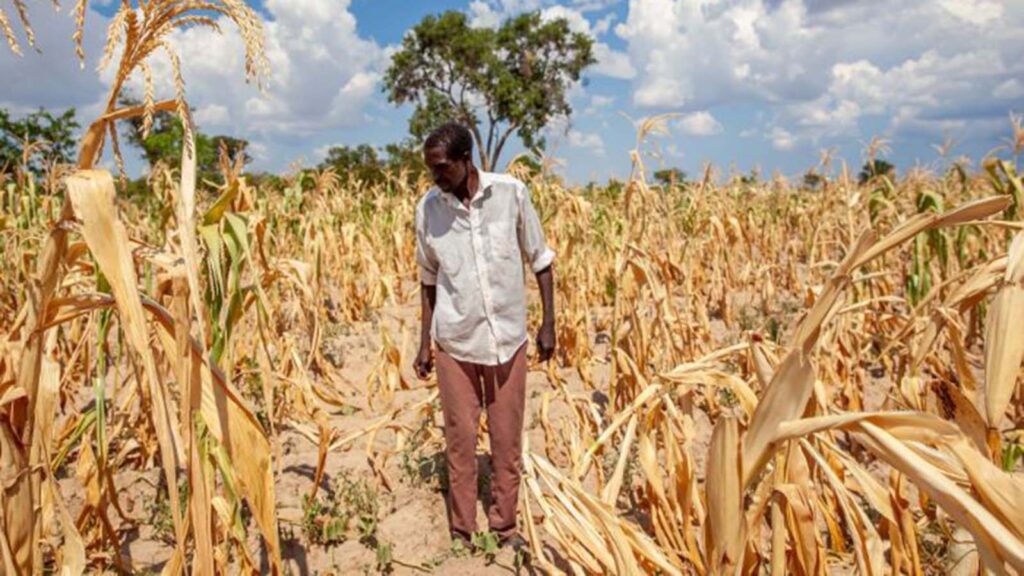
Around 6.5 million people in Somalia are facing acute hunger as a prolonged drought tightens its grip, the government and the United Nations said Tuesday, warning that the crisis is deepening amid shrinking humanitarian resources.
The announcement comes days after the World Food Programme cautioned that food assistance operations could grind to a halt by April without new funding. The agency said it has already scaled back aid dramatically this year, reaching just over 600,000 people compared with 2.2 million earlier.
Somalia declared a national drought emergency in November following years of failed rainy seasons. Large parts of the Horn of Africa have endured erratic rainfall, but conditions in Somalia have proved especially severe.
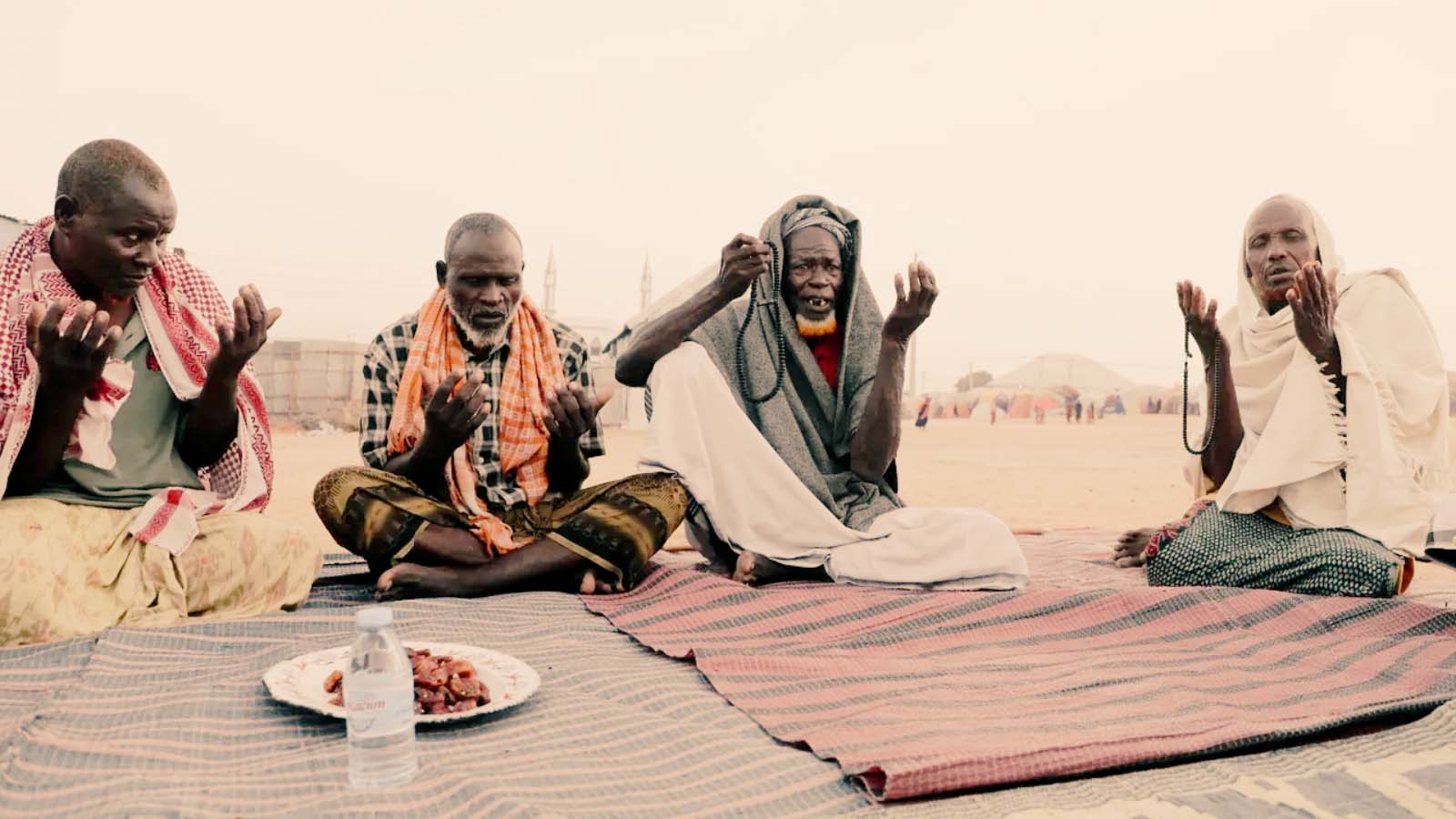
According to a joint statement from Mogadishu and the United Nations, more than one-third of those suffering acute malnutrition are children. Tens of thousands of families have fled parched rural areas, swelling camps for internally displaced people in the capital and other cities.
“The drought has deepened alarmingly, with soaring water prices, limited food supplies, dying livestock, and very little humanitarian funding,” said George Conway, the UN’s humanitarian coordinator for Somalia.
The updated figure aligns with new assessments released by the Integrated Food Security Phase Classification, the global benchmark for measuring food crises. The IPC projected that even if rains return between April and June, 5.5 million people are expected to remain at crisis levels of food insecurity or worse. Of those, 1.6 million are classified in the emergency phase, one step below famine.
The numbers exceed the 4.4 million people previously cited by the World Food Programme as facing acute hunger, though it remains unclear whether the higher figure reflects a rapid deterioration or revised methodology.
In Somalia’s Bay region, Hawo Abdi said she lost two children to illness as drought wiped out crops and livestock.
“When I saw that the suffering was getting worse, I fled my home and came to Mogadishu,” she said from a makeshift shelter on the outskirts of the capital.
Others recount similar journeys. Abdiyo Ali abandoned her farm in Lower Shabelle after wells dried up and her animals died.
“Our farms were destroyed, our livestock died, and water sources became too far away. We have nothing left to bring with us,” she said while preparing food in a displaced persons camp outside Mogadishu.
Humanitarian agencies warn that reduced funding risks compounding the emergency. Water trucking operations, nutrition programmes and cash assistance schemes have already been curtailed in some districts.
Somalia has endured repeated cycles of drought and food insecurity over the past decade, often compounded by conflict and weak infrastructure. While seasonal rains may ease immediate pressure, aid officials say recovery will require sustained support.
Without rapid funding commitments, agencies warn that families already on the brink could slip further into hunger — with children bearing the brunt of the fallout.