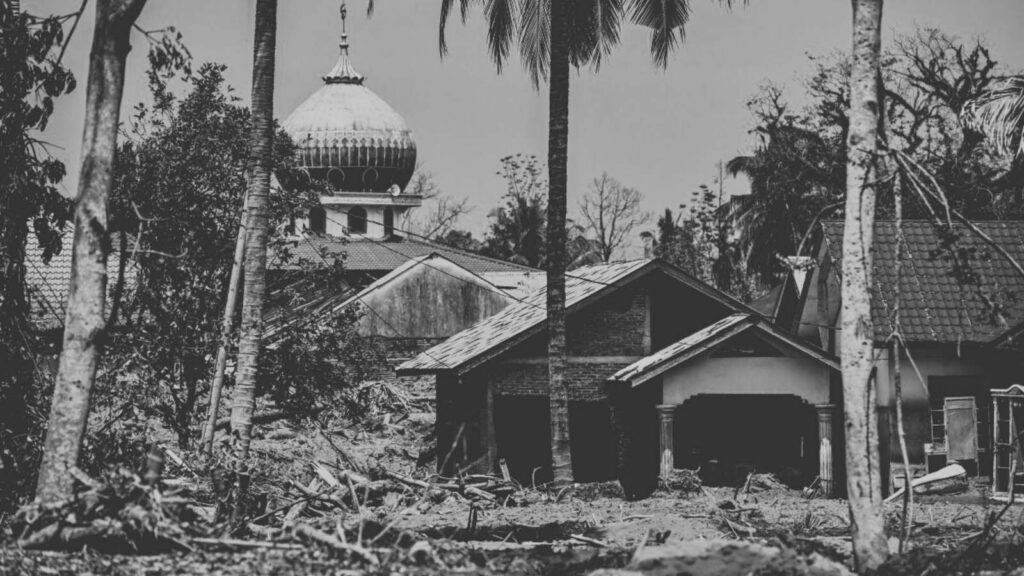
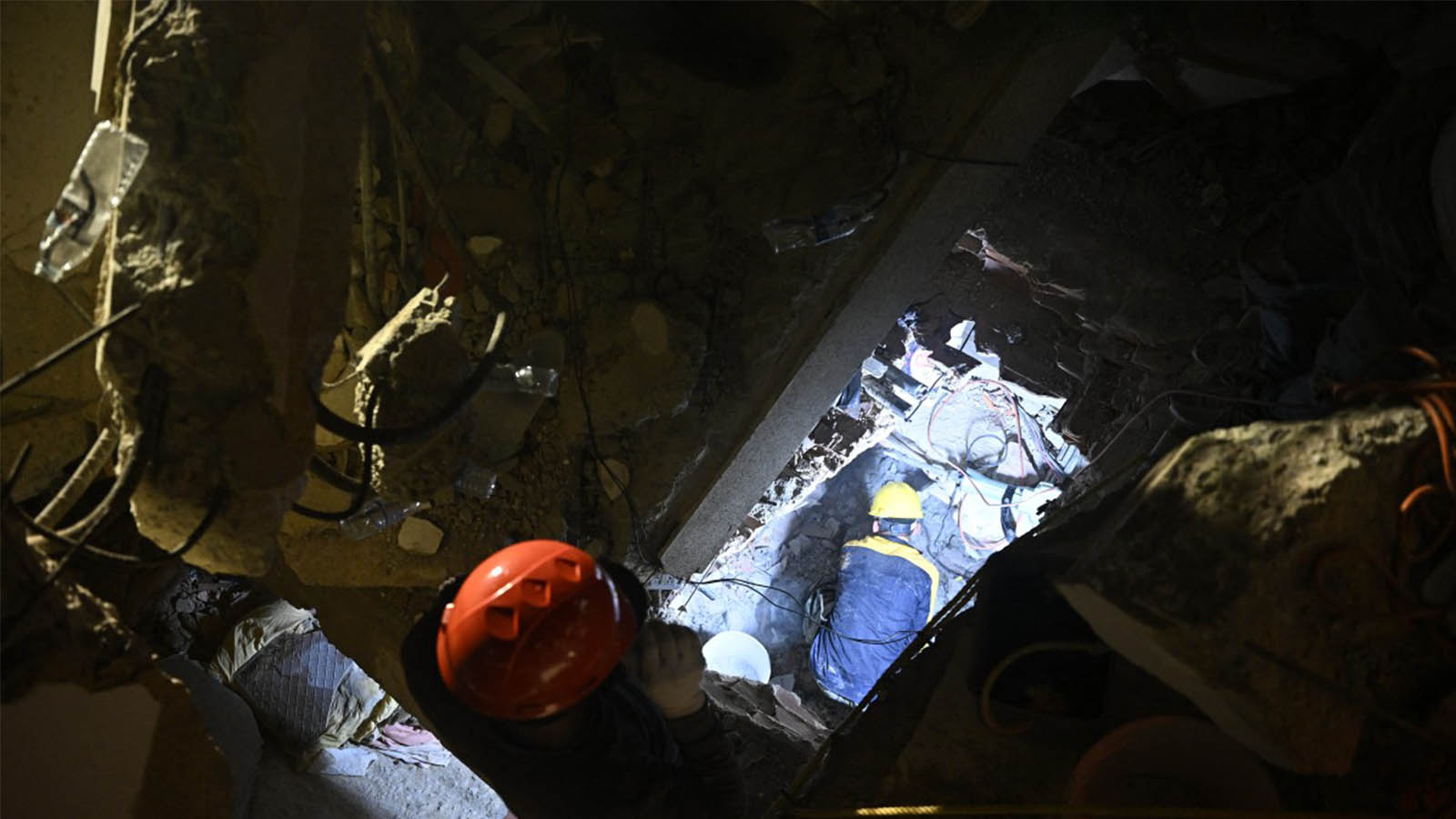
One week on from the magnitude 7.2 and 7.5 earthquakes that tore through La Guaira and the surrounding coast, Venezuela’s crisis has quietly shifted shape. What began as a rescue operation is becoming a test of survival – and of a state’s capacity to show up for its own people.
The numbers tell two different stories
Officially, 2,295 people are confirmed dead. But that figure sits uneasily beside an unofficial missing-persons list of over 40,000 names, and a United Nations estimate that roughly 50,000 people remain unaccounted for. The U.S. Geological Survey has floated a working estimate that the true death toll could exceed 10,000 – a gap between official and probable numbers wide enough to suggest the country’s institutions are still struggling simply to count its losses, let alone address them.
Search-and-rescue teams themselves signal that the window for miracles is closing. Rescue workers have taken to marking cleared, lifeless buildings with a single letter – “D,” for deceased — a grim shorthand moving through the ruins of La Guaira. Rescue coordinators on the ground now speak less about survival odds and more about the psychological toll of digging without expectation, even as isolated stories – like a three-year-old pulled alive after six days – keep hope from fully extinguishing.
Governance by volunteer
Perhaps the most revealing detail of the disaster response isn’t the death toll – it’s who is running the shelters. At schools like La Guaira’s ‘Republic of Panama,’ the command centers overseeing hundreds of displaced residents are staffed not by government disaster-relief professionals, but by volunteers in their twenties, largely drawn from the youth wing of the ruling socialist party. They built their own digital registry system from scratch to track residents’ injuries, lost relatives, and unmet needs – and they are doing this work while homeless themselves, sleeping in the same bunk-filled classrooms as those they serve.
This is not incidental. It reflects a broader vacuum: residents across the affected region have openly criticized the interim government of Delcy Rodríguez for what they describe as a slow, thin response, even as international aid groups echo the same concern. The pattern – young, informally organized volunteers absorbing the operational weight of a national disaster – raises a pointed question about institutional capacity in a country whose infrastructure was already hollowed out by years of economic crisis before the ground ever shook.
Hunger as the next emergency
If the first week was about extraction – bodies from rubble, survivors from debris – the emerging emergency is about sustenance. Aid queues are lengthening, supplies are thin, and tension over scarce food has become its own hazard; one vendor described the scramble for provisions as resembling a fight rather than a distribution line. The World Food Programme has requested $50 million to feed roughly half a million people over three months, a number that underscores how quickly this has evolved from a structural disaster into a humanitarian one.
Public health officials are watching a second threat build quietly behind the food crisis: disease. The World Health Organization has flagged Venezuela’s already-strained health system and warned that low vaccination coverage before the quakes now leaves the population vulnerable to outbreaks of preventable illnesses, including measles.
A disaster layered onto a political transition
None of this is unfolding in a vacuum. The earthquakes struck a country only six months removed from the U.S.-backed removal of Nicolás Maduro, still navigating a fragile political transition and continued pressure from Washington over access to its oil and natural resources. With around 2,000 U.S. personnel now assisting on the ground, the disaster response has become entangled with the broader question of what a post-Maduro Venezuela owes its citizens — and who is actually capable of delivering it.
Satellite analysis from NASA suggests the physical scale of what must eventually be rebuilt: preliminary data points to as many as 58,870 damaged or destroyed buildings. That number alone signals this will not be a short recovery – and the coming months will test whether Venezuela’s government, still finding its footing, can do more than lean on its youngest citizens to hold the line.