The United States military is preparing for the possibility of sustained operations against Iran should President Donald Trump authorise an attack, according to two U.S. officials familiar with internal planning. The scope under consideration would extend well beyond the limited exchanges seen in previous confrontations, raising the prospect of a prolonged and destabilising conflict in the Middle East.
The officials, speaking on condition of anonymity due to the sensitivity of the discussions, indicated that preparations are being shaped around a campaign that could last weeks rather than days. Such planning signals a shift from the episodic strike model used in recent years to a broader operational framework that anticipates retaliation and regional fallout.
The timing is significant. U.S. and Iranian diplomats met in Oman last week in an attempt to revive negotiations over Tehran’s nuclear programme. Those talks come amid a visible American military build-up across the region, a move widely interpreted as both deterrence and leverage.
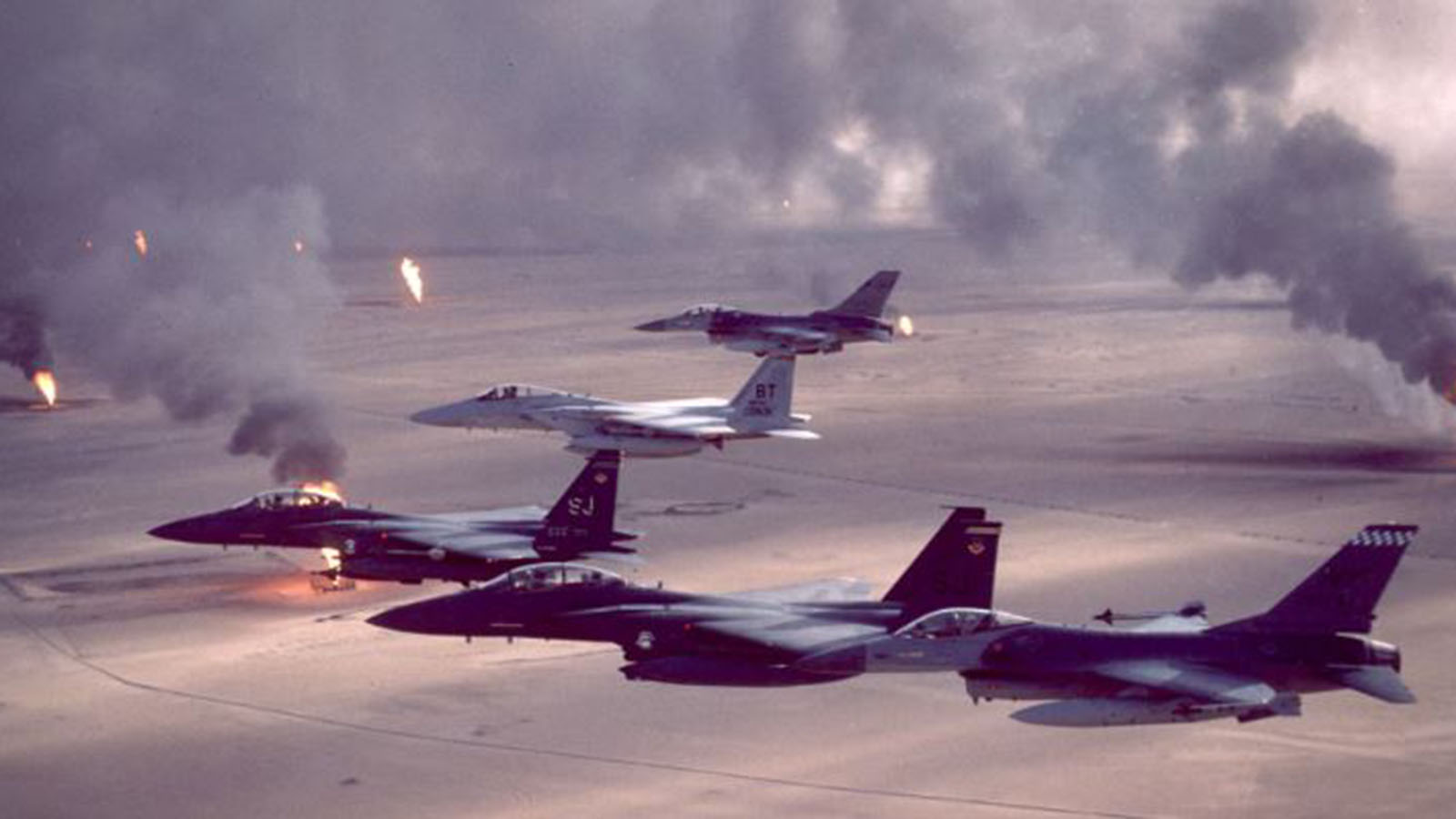
On Friday, U.S. officials confirmed that an additional aircraft carrier would be deployed to the Middle East. The reinforcement includes thousands of troops, fighter aircraft, guided-missile destroyers and expanded strike capabilities. President Trump, addressing troops in North Carolina, acknowledged difficulties in securing a deal with Tehran and suggested that pressure remains central to his strategy.
“Sometimes you have to have fear,” he said, framing military readiness as a negotiating tool rather than a predetermined course of action.
The White House reiterated that “all options” remain under consideration. The Pentagon declined to comment directly on operational planning.
Last year, U.S. forces conducted strikes against Iranian nuclear facilities, including the “Midnight Hammer” operation in June, when stealth bombers flew from the United States to hit designated sites. Iran’s retaliation was limited, targeting a U.S. base in Qatar in a calibrated response that avoided broader escalation.
This time, officials suggest the planning is more complex. A sustained campaign could extend beyond nuclear infrastructure to encompass state and security targets. While details remain classified, such an approach would mark a significant escalation in scope and risk.
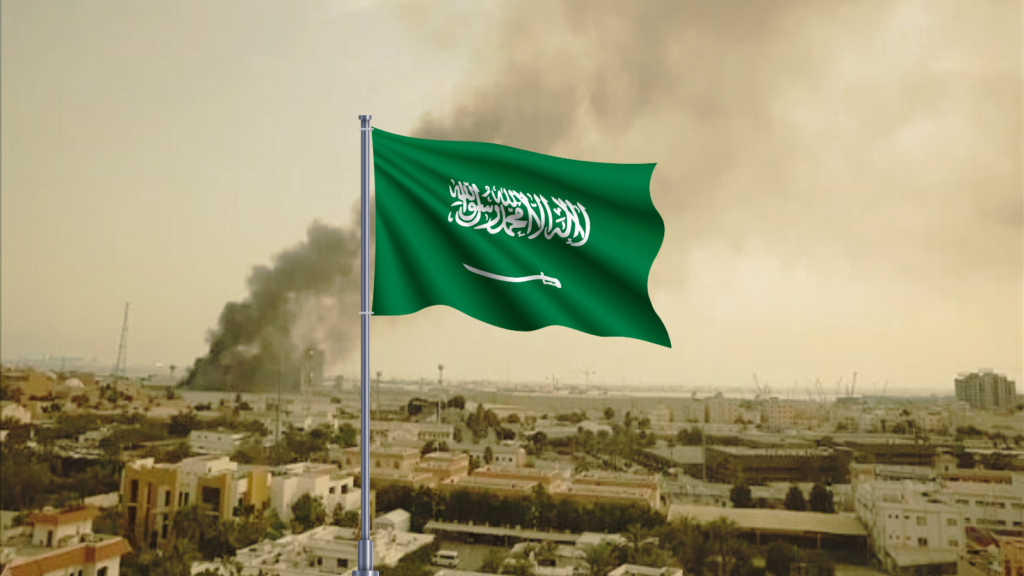
Iran possesses an extensive missile arsenal capable of striking U.S. bases across the region. American installations in Jordan, Kuwait, Saudi Arabia, Qatar, Bahrain, the United Arab Emirates and Turkey would fall within range of potential retaliatory attacks. Iranian officials, including the Revolutionary Guards, have warned that any strike on Iranian territory would be met with reciprocal action.
The expectation inside U.S. defence circles, according to one official, is not of a single exchange but of a cycle of strikes and counter-strikes. That dynamic increases the likelihood of regional actors becoming involved, whether directly or through proxy networks operating in Iraq, Syria, Lebanon and Yemen.
Israeli Prime Minister Benjamin Netanyahu met Trump in Washington this week and stressed that any agreement with Tehran must safeguard Israeli security interests. Israel has consistently opposed arrangements that leave Iran’s missile capabilities untouched.
Tehran has indicated willingness to discuss limits on its nuclear activities in return for sanctions relief but has rejected any linkage to its ballistic missile programme.
For now, diplomacy continues in parallel with military signalling. Yet the scale of preparation suggests that Washington is planning not merely for deterrence, but for the possibility that deterrence may fail.