The exiled son of Iran’s last monarch has declared himself ready to lead a political transition in Iran, framing the current unrest and external pressure as an opening for systemic change.
Speaking before a large crowd in Munich, Reza Pahlavi told supporters he was prepared to guide Iran toward what he described as a secular and democratic future. “I am here to guarantee a transition,” he said, pledging that Iranians would ultimately decide their country’s fate through a transparent vote.
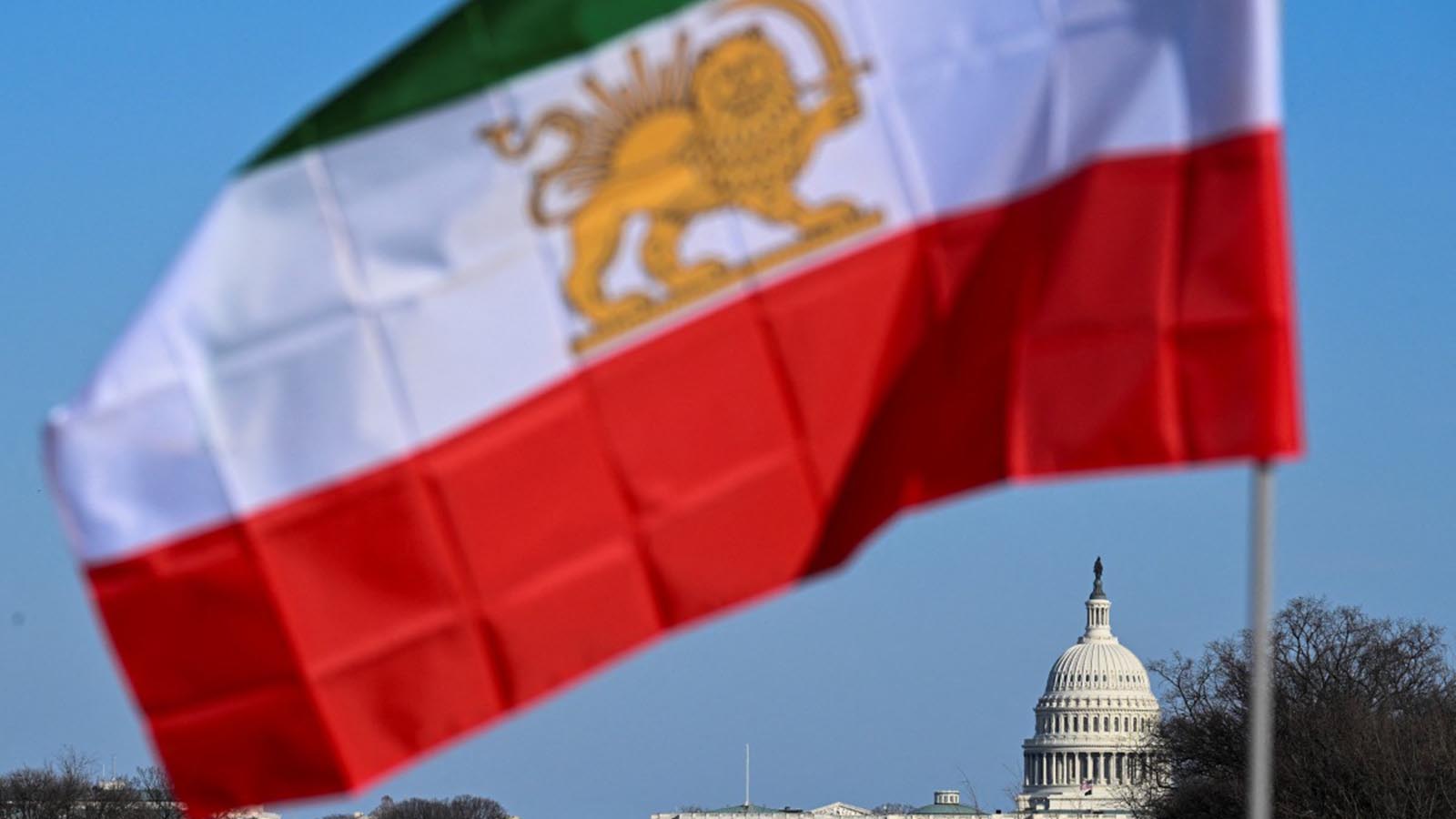
The rally drew tens of thousands of members of the Iranian diaspora. Many waved the pre-1979 tricolour flag bearing the lion and sun emblem of the former monarchy and chanted slogans in support of the shah. For participants, the gathering was both a protest against the Islamic Republic and a demonstration of support for an alternative political vision.
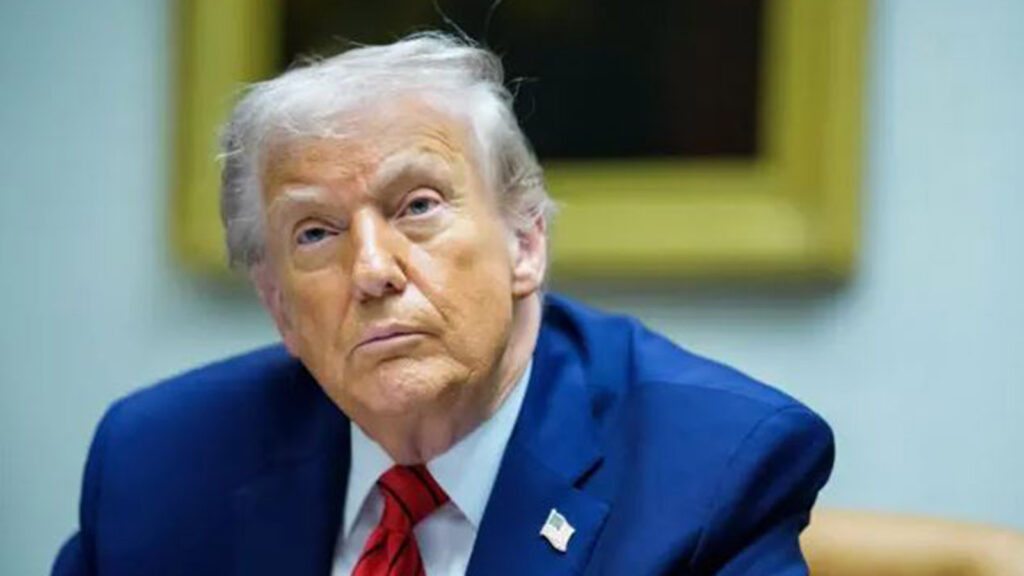
Pahlavi’s remarks came as U.S. President Donald Trump said that a change of government in Iran would be “the best thing that could happen.” Washington has simultaneously increased military deployments to the Middle East while maintaining diplomatic contacts with Tehran over its nuclear programme.
Switzerland confirmed that mediator Oman will host a new round of talks between U.S. and Iranian representatives in Geneva next week. The United States and Iran have had no formal diplomatic relations since shortly after the 1979 revolution.
The juxtaposition is striking: renewed nuclear diplomacy on one track, and rhetoric hinting at regime change on another.
Inside Iran, protests that surged earlier this year were met with a sweeping crackdown. Rights groups based outside the country estimate that thousands were killed and tens of thousands arrested. Iranian authorities reject those figures and say the unrest was driven by foreign-backed groups seeking to destabilise the state.
Verified videos circulating this week show continued anti-government slogans in some areas, even as the leadership marked the anniversary of the revolution that overthrew Pahlavi’s father in 1979.
The opposition landscape remains fragmented. While some demonstrators have invoked the monarchy and called for Pahlavi’s return, other activists oppose any restoration of royal authority. Critics also point to Pahlavi’s public engagement with Israeli officials and his failure, in their view, to clearly repudiate the authoritarian record of his father’s rule.
Pahlavi, 65, has attempted to position himself less as a future monarch than as a transitional figure who would oversee a referendum on Iran’s political system. In Munich, he urged Iranians at home to continue acts of symbolic protest, including coordinated rooftop chants timed with demonstrations abroad.
For Washington, the question of succession remains ambiguous. Trump declined to name a preferred alternative to Iran’s Supreme Leader, Ali Khamenei, but suggested that potential figures exist.
The convergence of diaspora mobilisation, domestic unrest and external military pressure marks a volatile moment. Yet the pathway from protest to political transition remains uncertain. Iran’s governing structure retains control of security forces and key institutions, and opposition forces — monarchist, republican and reformist — have yet to converge on a unified strategy.
For now, Pahlavi has offered himself as a bridge to a post-Islamic Republic order. Whether that offer gains traction inside Iran will depend less on rallies abroad than on developments within the country’s tightly controlled political arena.