A U.S.-backed ceasefire in northeastern Syria has paused open confrontation between Damascus and Kurdish-led forces, but fundamental questions over authority, weapons and territorial control remain unresolved.
The agreement, signed on January 29, followed a rapid advance by central government forces that marked the most significant shift in control since former president Bashar al-Assad was removed in December 2024. After months of stalemate, Damascus seized large swathes of territory from the Kurdish-led Syrian Democratic Forces (SDF), forcing negotiations over the future of the group’s remaining enclave.
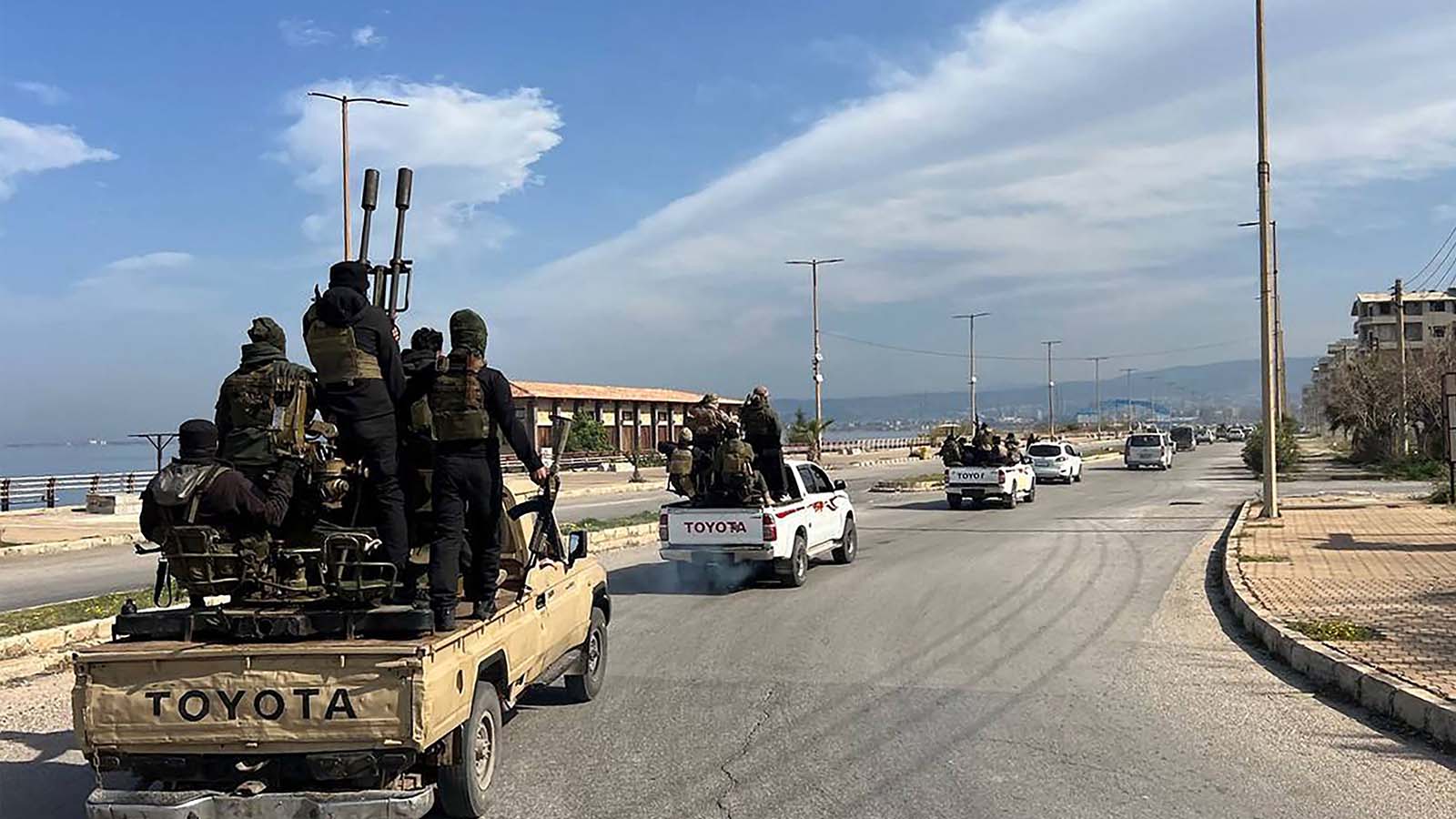
Initial implementation has proceeded without major violence. Small contingents of government troops have deployed into the Kurdish-run cities of Qamishli and Hasakah. Fighters have withdrawn from frontlines. Damascus has appointed a regional governor nominated by Kurdish authorities.
Yet officials on both sides acknowledge that the most sensitive issues have yet to be addressed.
The agreement envisages integrating SDF fighters into a new defence ministry division for the northeast, organised into three brigades. It also stipulates that government security vehicles deploy into SDF-held cities and that integration of Kurdish security forces begin.
How that integration will work in practice is unclear. Officials say there is no final agreement on the fate of SDF heavy weapons or on command structures within the proposed brigades. The status of key oil infrastructure and a border crossing with Iraq — long a lifeline for the SDF — also remains unsettled.
For now, the SDF maintains effective control over the areas it still holds. But the extent of authority it will retain within a unified Syrian state is undefined. Noah Bonsey of International Crisis Group said further progress appears likely, but warned that missteps could still trigger renewed escalation.
President Ahmed al-Sharaa has consolidated central authority across most of Syria. A Western official said Washington, which has withdrawn some forces this week, is satisfied with early progress and has encouraged Damascus to remain flexible in dealing with Kurdish demands. The U.S. position, according to the official, is that limited Kurdish autonomy is acceptable provided it does not undermine central state authority.
Tensions on the ground persist. The SDF accuses government forces of besieging Kobani, a Kurdish-run town separated from the main SDF-held zone. Arab communities in mixed areas such as Hasakah have expressed resentment over continued Kurdish control, according to Syrian security officials.
SDF commander Mazloum Abdi has said the three proposed brigades would be based in Qamishli, Hasakah and Derik near the Iraqi border. While a tentative understanding exists for a site near Qamishli, locations for the other two remain disputed. Damascus opposes SDF plans to station forces on Mount Abdelaziz, a strategic high point overlooking southern Hasakah and a network of tunnels.
Control over energy assets is another flashpoint. Arab-majority areas, including Deir al-Zor and its oil fields, fell quickly to government forces. But the SDF has yet to transfer two additional oil fields near Qamishli — Rmeilan and Sweidiya — or Qamishli airport.
Abdulkarim Omar, a senior Kurdish official, said Kurdish security forces would ultimately be incorporated into the interior ministry but continue protecting the region locally. He acknowledged that implementation would require lengthy negotiations.
Regional dynamics further complicate the picture. Turkey views the Kurdish YPG militia, the backbone of the SDF, as linked to the Kurdistan Workers’ Party (PKK). Ankara has signalled cautious approval of recent developments but insists that its security concerns will only be resolved if the YPG undergoes what it calls a fundamental transformation.
The ceasefire has reduced immediate violence. Whether it evolves into durable integration — or collapses under unresolved grievances — will determine the stability of Syria’s northeast in the post-war order.