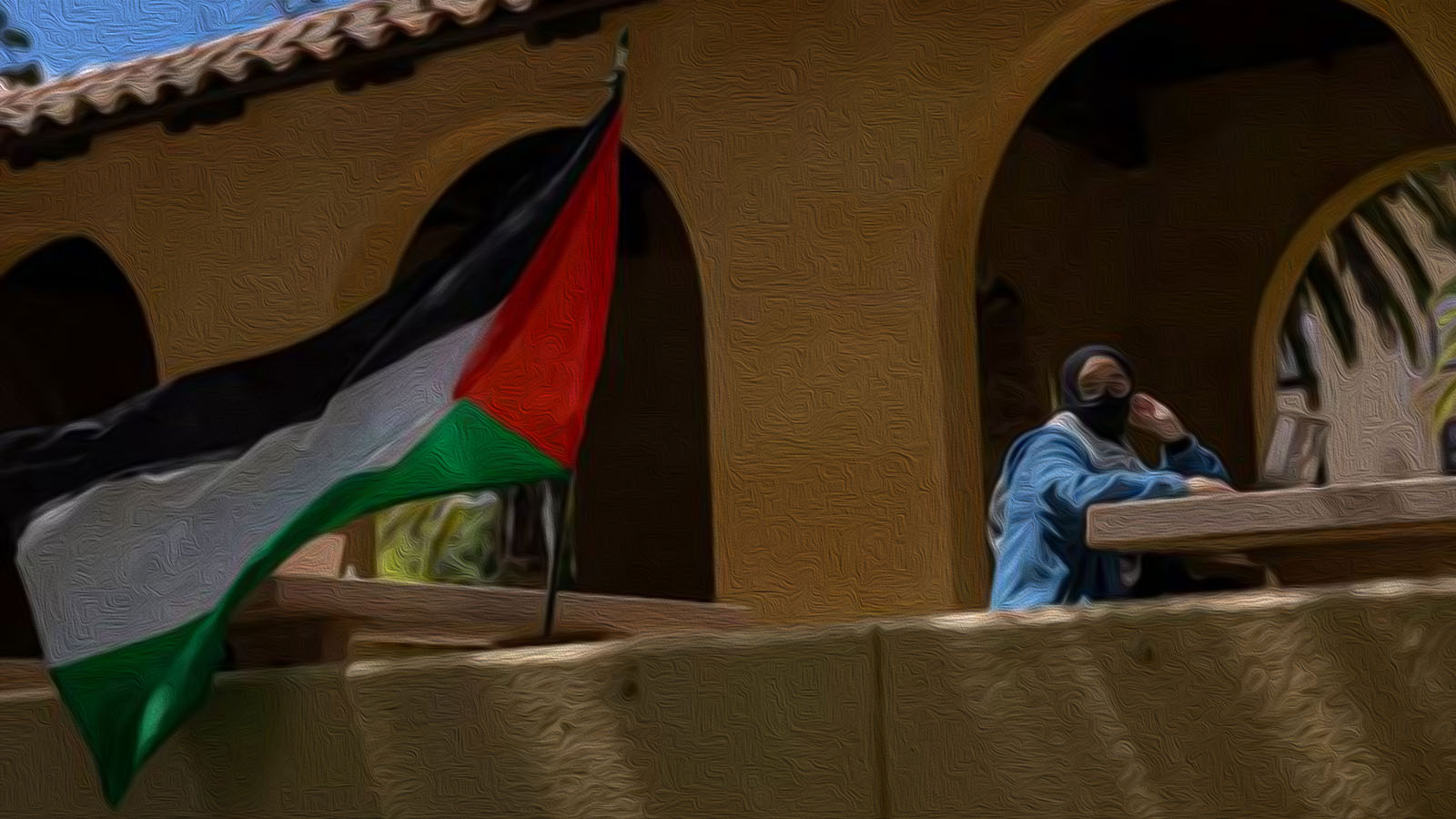
A California judge has declared a mistrial in the case of five current and former Stanford University students charged over a 2024 pro-Palestinian protest that saw demonstrators barricade themselves inside the university president’s office.
The ruling followed days of deliberation in Santa Clara County Superior Court. Jurors were unable to reach a unanimous verdict. They voted nine to three in favour of conviction on a felony vandalism charge and eight to four on a felony conspiracy to trespass charge, falling short of the unanimity required under U.S. law.
The five defendants were among 12 protesters initially charged last year. Prosecutors alleged that demonstrators caused extensive property damage during the June 5, 2024 incident, including breaking a window to enter the building. Police arrested 13 people in connection with the protest. Stanford later reported that the president’s office sustained significant damage.
The remaining defendants in the broader case previously accepted plea agreements or entered diversion programmes.
At issue in the trial was whether the protest crossed the line from political expression into criminal conduct. The demonstration formed part of a wider wave of campus activism in 2024, when students across the United States demanded an end to Israel’s military campaign in Gaza, criticised Washington’s support for Israel, and called on universities to divest from companies linked to Israeli operations.
Santa Clara County District Attorney Jeff Rosen characterised the case as a matter of property destruction rather than politics. In a statement following the mistrial, he said the defendants had “destroyed someone else’s property and caused hundreds of thousands of dollars in damage,” adding that his office intends to seek a new trial.
Defence attorneys framed the case differently. Anthony Brass, representing one of the students, said the trial was not about endorsing lawlessness but about defending principles of transparency and ethical investment. He described the mistrial as a victory for free speech and argued that humanitarian activism should not be resolved through criminal prosecution.
The protest itself was symbolic as well as disruptive. Demonstrators renamed the president’s office “Dr. Adnan’s Office,” after Adnan Al-Bursh, a Palestinian doctor who died in Israeli detention. The gesture reflected a broader effort by student activists to personalise the conflict and link local institutional decisions to events overseas.
The mistrial arrives against a backdrop of heightened scrutiny of campus activism nationwide. According to media tallies, more than 3,000 individuals were arrested during the 2024 protest movement. Universities responded with a range of disciplinary measures, including suspensions, expulsions and, in some cases, revocation of degrees.
Legal scholars note that prosecutions stemming from campus protests carry broader implications. They test the boundaries between constitutionally protected speech and conduct deemed criminal, particularly when demonstrations involve occupation of buildings or damage to property.
For now, the Santa Clara County case remains unresolved. Prosecutors must decide whether to retry the five students, negotiate alternative resolutions, or abandon the charges. Whatever the outcome, the deadlocked jury illustrates the divided public response to a protest movement that blended international geopolitics with domestic debates over free expression and institutional accountability.