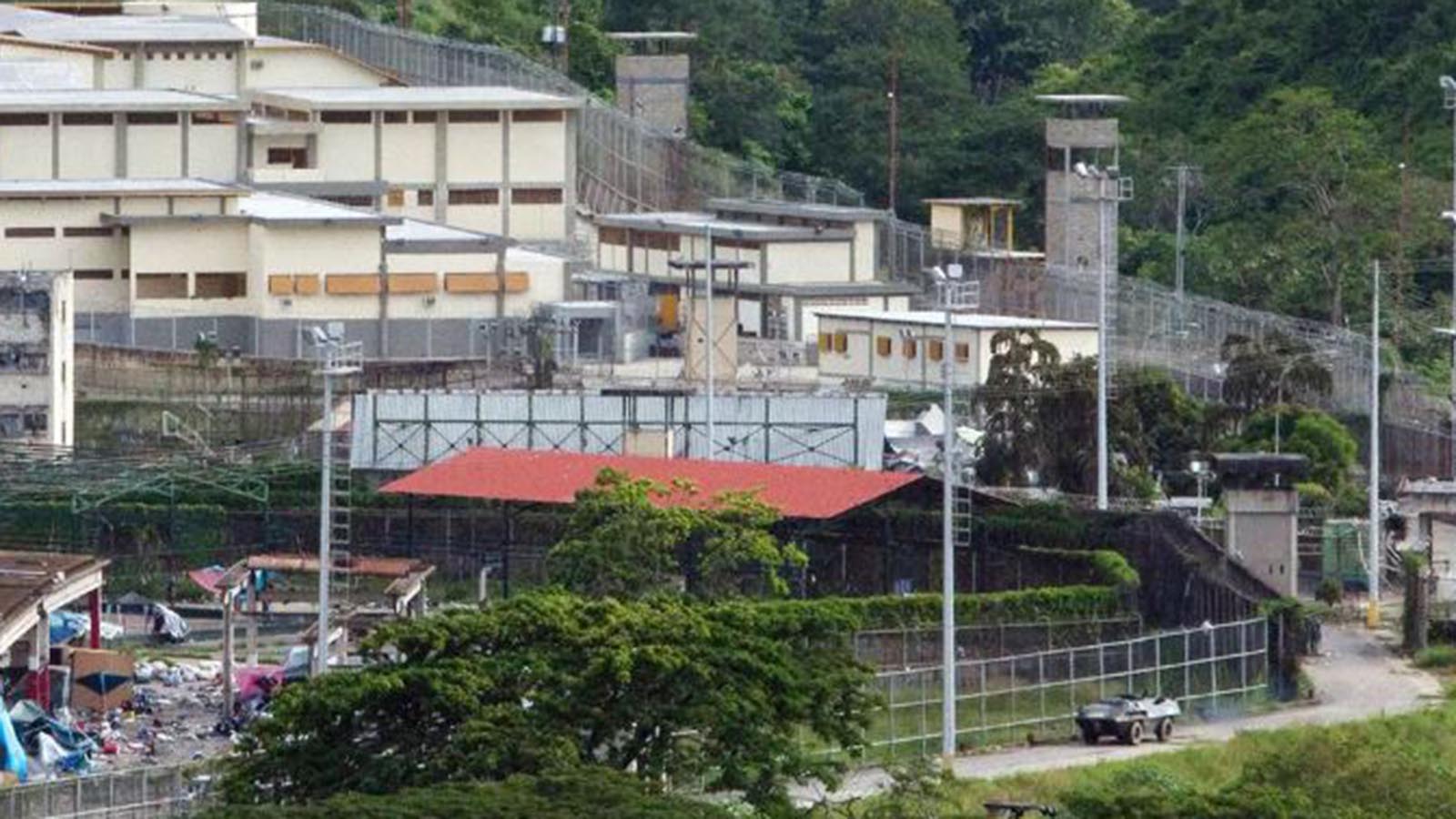
More than 200 Venezuelan political prisoners have launched a hunger strike at Rodeo I prison, demanding inclusion under a newly approved amnesty law that excludes several categories of detainees.
From inside the facility, located about 40 kilometres east of Caracas, inmates shouted “Freedom!” and “Release us all!” to relatives gathered outside. An AFP journalist reported that the chants were clearly audible beyond the prison walls.
According to family members, approximately 214 prisoners — both Venezuelan nationals and foreign detainees — joined the hunger strike, which began Friday night. The protest followed complaints that the amnesty law excludes cases involving the military and terrorism charges, two categories widely applied at Rodeo I.
The legislation was passed Thursday by Venezuela’s congress as part of a broader set of reforms initiated after the January 3 removal and capture of former president Nicolas Maduro by U.S. forces. Maduro and his wife were taken to the United States, where he faces drug trafficking charges. He has pleaded not guilty and described himself as a prisoner of war.
Interim leader Delcy Rodriguez oversaw the passage of the amnesty law under pressure from Washington. The measure extends relief to thousands of political detainees paroled or placed under house arrest over nearly three decades. The head of the legislature said more than 1,500 prisoners had already applied under the new framework.
However, the law excludes members of the security forces convicted of offences linked to what authorities defined as terrorism, as well as certain detainees facing terrorism-related charges. Those exclusions have drawn criticism from opposition figures and families of inmates.
Nahuel Agustin Gallo, an Argentine police officer held at Rodeo I and accused of terrorism, is among those reportedly excluded. “They decided Friday to go on hunger strike because of the scope of the amnesty law,” said a relative of another prisoner.
On Sunday, a team from the International Committee of the Red Cross visited the prison. Health coordinator Filippo Gatti told relatives it was the first time the organisation had been allowed access to the facility, describing the visit as a first step.
Not all inmates joined the strike. Some prisoners were released over the weekend. NGO Foro Penal reported 23 releases on Sunday alone. Former detainees left Rodeo I holding official release papers and were greeted by applauding relatives.
Robin Colina, one of those freed, expressed relief as he spoke by phone to a family member. Another released prisoner, Armando Fusil, said many inside remain on hunger strike, determined to secure equal treatment under the law.
The protest underscores the tension between reform promises and implementation. While hundreds have been released in recent weeks, detainees who fall outside the amnesty’s scope continue to press for broader inclusion.
As the political transition unfolds following Maduro’s removal, the hunger strike at Rodeo I highlights unresolved grievances within Venezuela’s penal system and the uncertainty facing prisoners whose cases remain excluded from the new legal framework.