
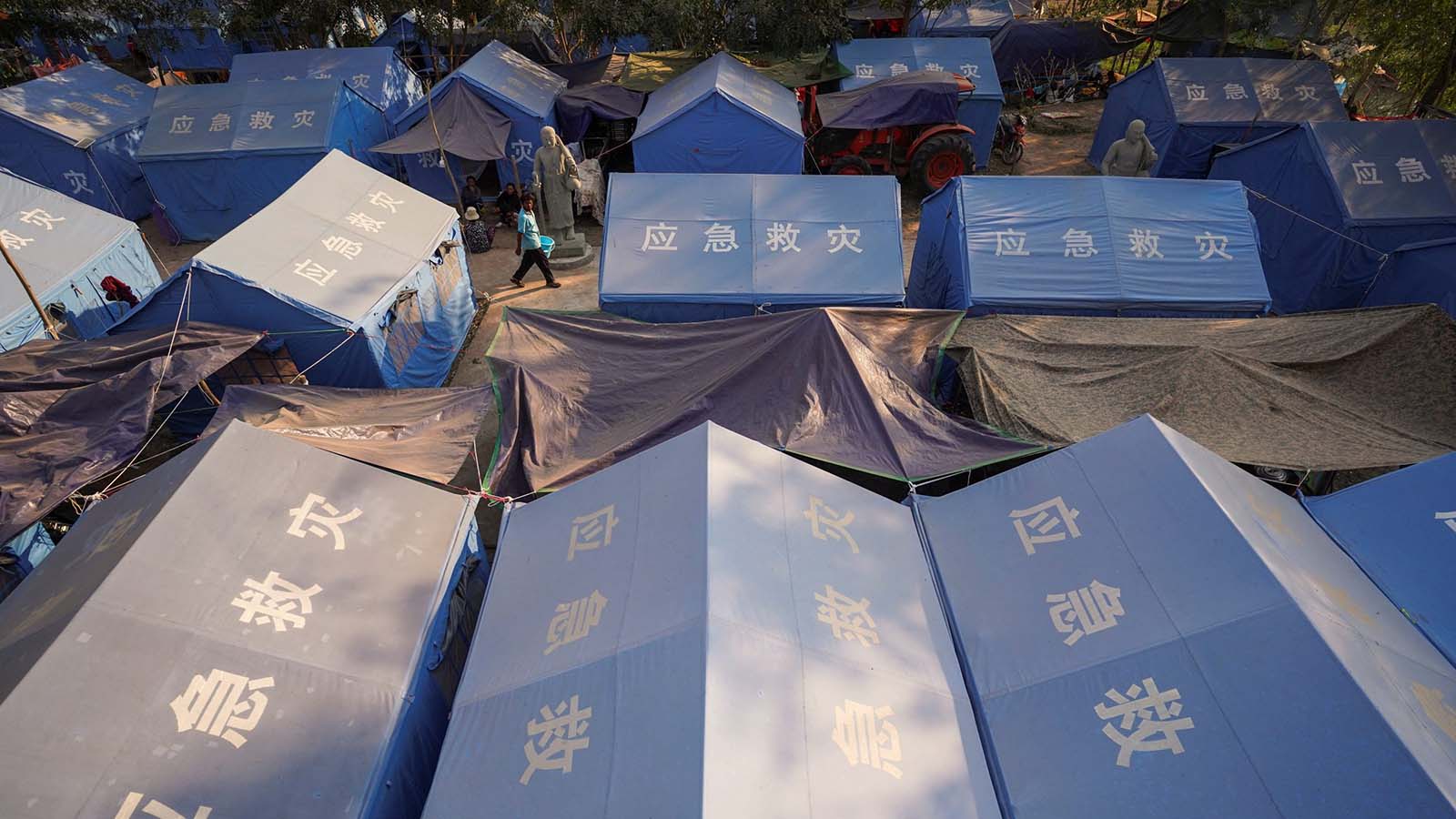
Six weeks after a ceasefire halted the worst fighting in more than a decade along the Thai–Cambodian border, thousands of displaced Cambodians remain unable to return home, caught between contested territory and tightening security measures on the Thai side.
In Banteay Meanchey province, 59-year-old Proeung Sopheap walked through her abandoned house in the village of Prey Chan for the first time since December’s clashes. She collected cooking utensils and personal belongings from a property she is no longer certain she can safely reclaim.
“I don’t know what led to this fighting,” she said. “Like other Cambodians, I want peace, not war.”
The conflict, which killed at least 149 people and displaced hundreds of thousands along the 817-kilometre frontier, ended with a second ceasefire agreement on December 27 after an earlier truce collapsed in July. Both governments have traded accusations of aggression. The border has been contested for decades, with sovereignty claims periodically flaring into violence.
Political developments in Thailand have added a new layer of uncertainty. Prime Minister Anutin Charnvirakul secured a decisive election victory last week on a platform that includes building a wall along sections of the disputed frontier. While residents on the Cambodian side said they were largely unaware of the Thai vote, the implications are already visible on the ground.
Thai authorities have erected barbed wire fencing and reinforced sections with stacked metal shipping containers in areas they consider within Thai territory. In Prey Chan, the village now appears physically divided. Thai officials maintain that residents on their side have returned home. Cambodian authorities, however, estimate that roughly 80% of land and homes in Prey Chan and neighbouring Chouk Chey commune are inaccessible, leaving more than 4,600 people in temporary shelters.
Thailand said the installation of barriers is consistent with commitments made in the joint ceasefire statement and intended to enhance safety and security.
For displaced residents, geopolitical arguments offer little comfort. Pich Vorn, from Chouk Chey, said he wants only to return to his house and land. “Even if it is small, it is where I have lived for many years,” he said.
The fighting has also left visible scars on heritage sites. At Preah Vihear Temple, an 11th-century complex and UNESCO World Heritage site, Cambodian authorities point to bullet holes, dents and unexploded ordnance they attribute to Thai artillery during the clashes. Phnom Penh has submitted damage reports to UNESCO and begun emergency stabilisation work, though funding for full restoration remains uncertain.
“It is truly regrettable to see a World Heritage site fired at and destroyed like this,” said Pheng Sam Oeun, a senior official with Cambodia’s National Authority for Preah Vihear.
Unexploded ordnance remains a persistent threat on both sides of the frontier. The Cambodian Mine Action Centre is clearing cluster munitions and artillery shells around the temple and in surrounding communities. More than 40 schools in Preah Vihear province have been closed as deminers prioritise hospitals, pagodas and homes of potential returnees.
Across the border in Thailand’s Sisaket province, the army said a soldier lost a limb this week after stepping on a landmine in Kantharalak district. Since July, at least 12 Thai soldiers have been severely injured in landmine blasts in disputed areas, incidents that helped trigger last year’s escalation.
The ceasefire has halted open combat, but it has not resolved the underlying dispute. For thousands of civilians living along the frontier, return and reconstruction remain contingent on political decisions taken far from their villages.