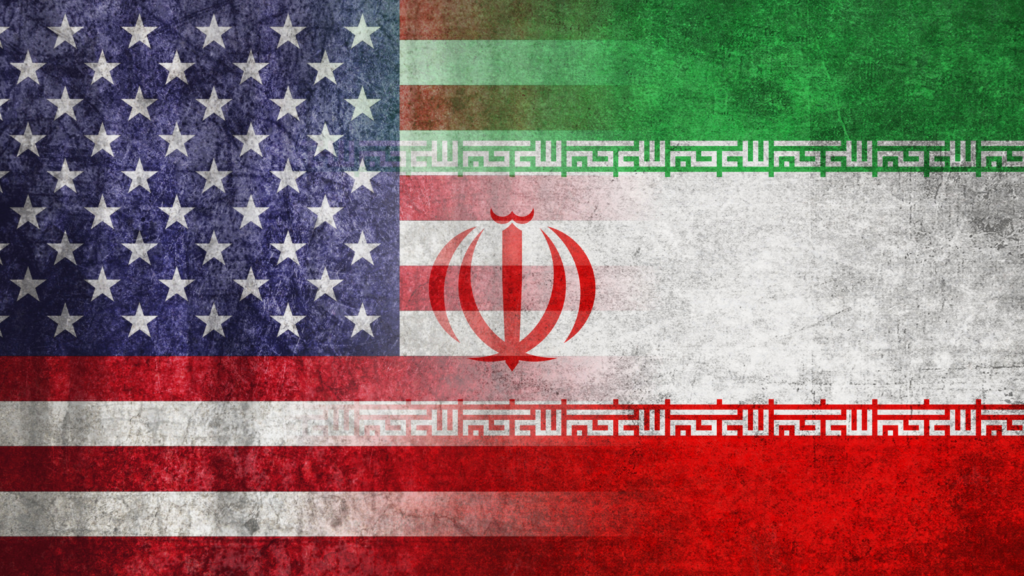
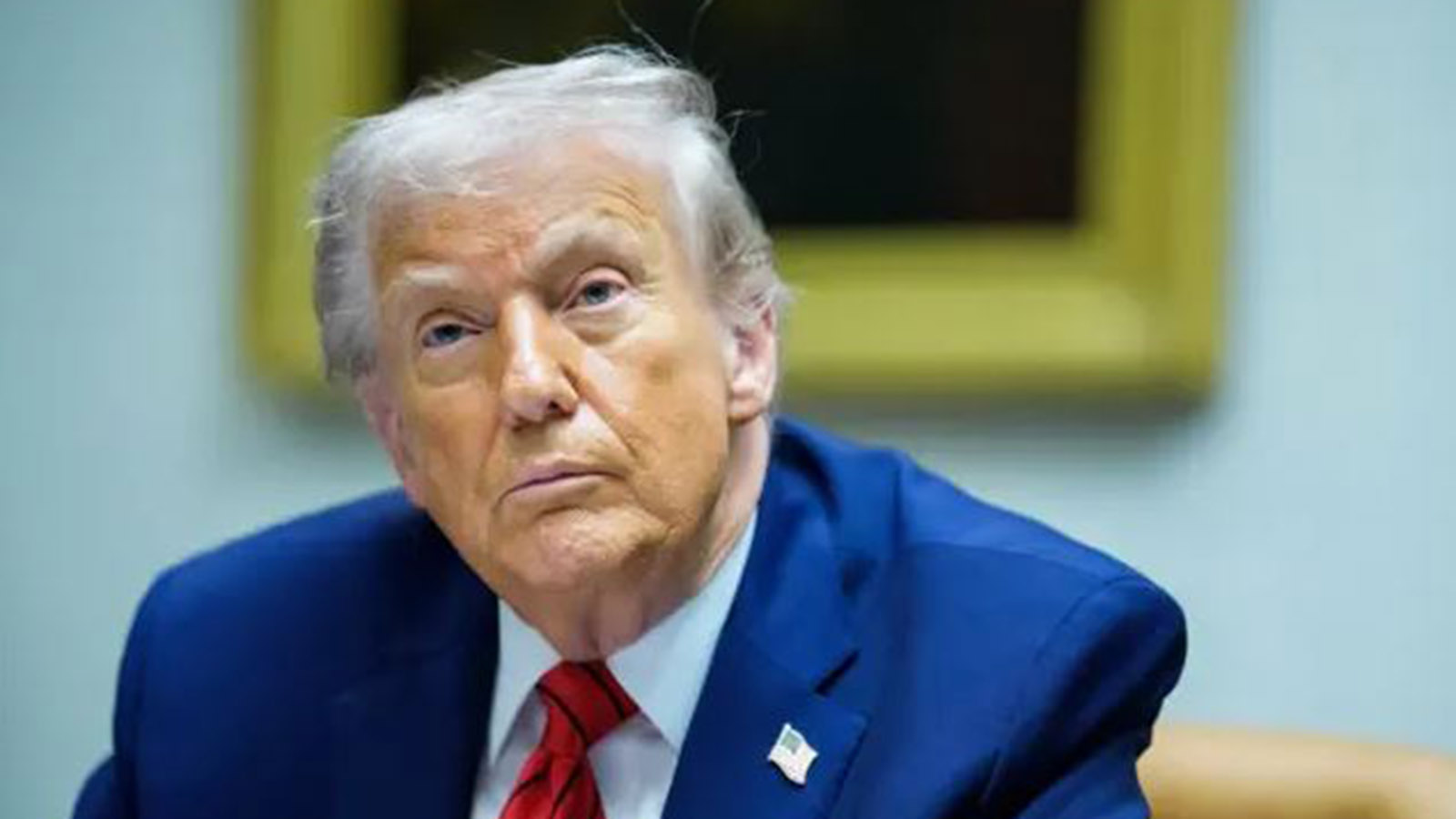
US President Donald Trump has moved the United States to the edge of potential conflict with Iran, even as advisers urge him to keep his focus on domestic economic concerns ahead of November’s midterm elections.
Over recent weeks, Trump has ordered a significant military build-up in the Middle East, including additional naval and air assets. U.S. officials have confirmed contingency planning for sustained air operations should the president authorise strikes on Iranian targets. Yet the administration has not articulated a detailed public rationale for what would be the most aggressive U.S. action against Iran since the 1979 revolution.
The escalation has sharpened debate within the White House. A senior official said there is no unified backing inside the administration for launching an attack. Advisers are wary of sending mixed signals to undecided voters who remain more concerned about inflation, housing costs and wages than foreign policy.
In private briefings with cabinet secretaries and campaign officials this week, Republican strategists reportedly stressed that economic messaging must remain central. Trump was not present at the session.
Public opinion data suggest that cost-of-living pressures dominate voter priorities. Trump secured re-election in 2024 largely on promises to curb inflation and avoid protracted overseas conflicts. Yet polls indicate many Americans remain unconvinced that price pressures have eased substantially.
A second White House official defended the president’s foreign policy record, arguing that his actions have strengthened national security while advancing domestic economic interests. The official maintained that Trump prefers diplomacy and continues to press Tehran to negotiate over its nuclear programme.
The political risk is significant. November’s vote will determine whether Republicans retain control of both chambers of Congress. Losing either would complicate Trump’s legislative agenda during the final years of his term.
Republican strategist Rob Godfrey warned that a prolonged confrontation with Iran could alienate parts of Trump’s base. The “Make America Great Again” movement includes voters sceptical of foreign entanglements, many of whom supported Trump’s earlier pledge to end “forever wars.” While some within that coalition backed last month’s swift operation in Venezuela, Iran presents a far more formidable adversary.
Trump has repeatedly warned Tehran to reach what he calls a “fair deal” over its nuclear activities. The U.S. targeted Iranian nuclear facilities in June, prompting Iranian threats of retaliation if further strikes occur. However, the administration has offered varied explanations for potential action — from deterring nuclear development to responding to internal repression — without outlining a coherent strategy.
Analysts note that foreign policy rarely dominates midterm elections unless conflict becomes sustained or costly. Still, with U.S. forces deployed and rhetoric sharpened, Trump may face a dilemma: escalate and risk domestic backlash, or pull back and risk appearing weak.
Lauren Cooley, another Republican strategist, argued that decisive and limited action could retain voter support if clearly linked to protecting American security and economic stability. But she acknowledged the importance of framing.
The contrast with past conflicts is notable. In 2003, President George W. Bush presented a detailed public case for the invasion of Iraq, albeit one later discredited. Trump has not delivered a comparable justification, leaving both supporters and critics uncertain about his endgame.
As negotiations with Iran continue alongside military preparations, the administration must balance deterrence with electoral calculation. Independent voters — often decisive in close races — will be watching closely whether the president can reconcile his foreign policy ambitions with the economic priorities that propelled him back into office.