Indirect talks between the United States and Iran concluded in Doha this week without producing a breakthrough, but also without derailing the fragile truce that has held – unevenly – since a memorandum of understanding was signed last month in Lucerne, Switzerland. The two days of discussions were technical rather than political, centering on two issues left unresolved by the initial agreement: shipping traffic through the Strait of Hormuz and the unfreezing of Iranian financial assets.
A Meeting About Implementation, Not Resolution
Negotiators for both countries met separately with Qatari and Pakistani mediators rather than face-to-face, consistent with Iran’s insistence that no direct talks would take place. Iran’s Deputy Foreign Minister, Kazem Gharibabadi, who led Tehran’s delegation, confirmed the talks had ended and said the two sides agreed to establish a communication channel by Thursday to log and report violations of the memorandum.
Gharibabadi also said officials reviewed how an initial $6 billion in unfrozen Iranian assets would be used, agreeing that the funds would go toward purchasing goods needed by Iran.
Notably, Jared Kushner and U.S. envoy Steve Witkoff – whose trip to the region had been described by the White House as “high-level” – did not attend the technical sessions. Qatari officials said the pair instead met separately with Qatar’s prime minister and, later, its ruling emir, to discuss the broader U.S.-Iran relationship and developments in Lebanon.
Nuclear Issue Notably Absent
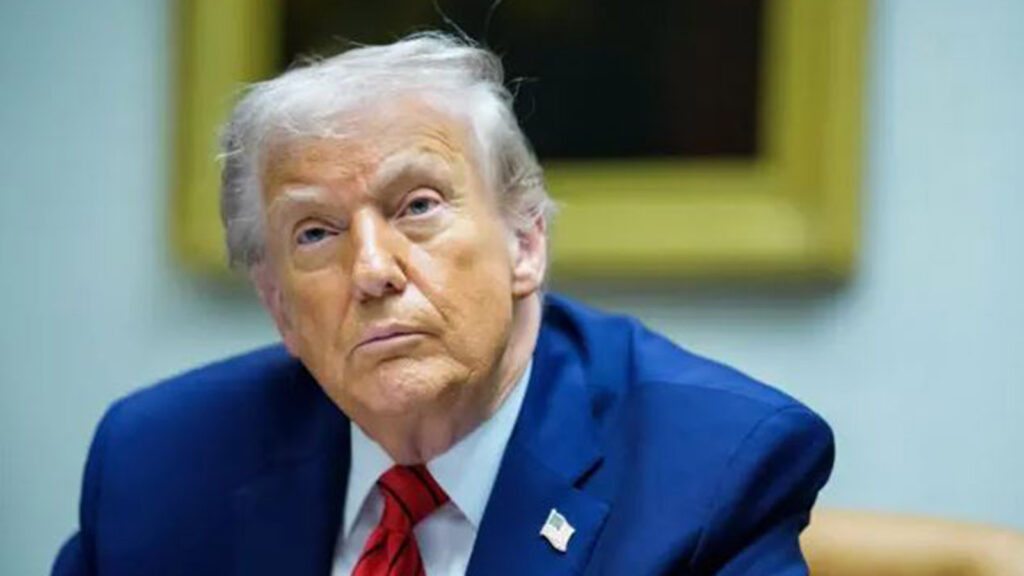
President Trump told reporters before departing Washington that “the denuclearization of Iran is moving along well,” adding that recent meetings had been productive. Vice President JD Vance said the nuclear question would be addressed in future discussions.
However, sources familiar with the Doha talks said the nuclear program was not actually part of this round of negotiations, which remained strictly technical. The apparent gap between the administration’s public characterization and the substance of the talks was not addressed directly by either delegation.
Hormuz Remains the Central Flashpoint
The Strait of Hormuz – through which roughly one-fifth of the world’s oil and liquefied natural gas trade passed before the war — remains only partially and unpredictably open. Iran has said it intends to begin charging tolls on shipping through the strait starting in mid-August, once a toll-free period specified in the original agreement expires.
Two senior Iranian sources said Tehran is seeking international recognition of its control over the waterway, and is prepared to pursue that recognition by force if necessary.
The uncertainty around Hormuz was underscored by developments this week:
- A foreign container ship ran aground outside Iran’s designated shipping route, according to Iranian state media.
- The exchange of strikes last weekend – triggered by an Iranian attack on a cargo ship that had strayed from its approved route, followed by U.S. Central Command strikes on ten Iranian military targets, and Iranian strikes on U.S. bases in Kuwait and Bahrain – illustrated how quickly the truce can escalate.
- Analysts described the reopening of the strait as inconsistent. “Hormuz continues to reopen but it’s patchy, unpredictable, and not fully transparent,” said Vandana Hari, founder of Vanda Insights, an oil market analysis firm.
Despite the volatility, oil prices fell to a four-month low following Trump’s comments, with analysts cutting price forecasts for the first time since the conflict began. Several European countries have offered to help clear mines from the strait, though Germany’s defense minister said he does not expect his country to participate, citing Iran’s reluctance to cooperate with outside nations.
Talks Paused Until After Khamenei’s Funeral
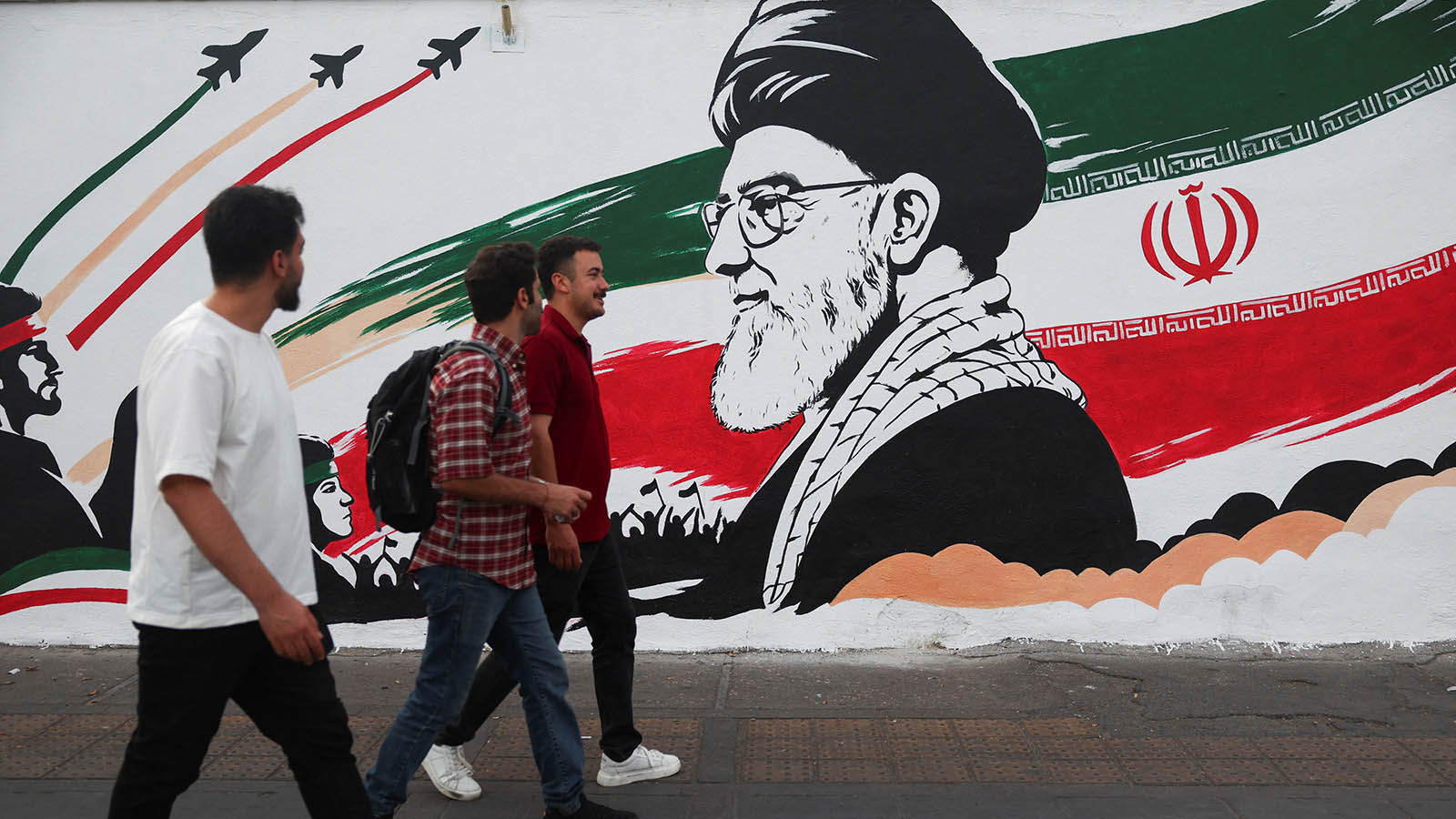
The next round of negotiations will not take place until after funeral processions for Iran’s late Supreme Leader, Ayatollah Ali Khamenei, who is due to be buried on July 9, according to Qatar’s Foreign Ministry. The ministry described the Doha discussions as producing “positive progress” and said they built on outcomes from the Lucerne summit.
Lebanon Also on the Agenda
Beyond Hormuz and frozen assets, discussions touched on the situation in Lebanon, where fighting between Israel and Iran-backed Hezbollah has been relatively quiet in recent weeks after Hezbollah’s rocket fire drew Israel into a ground invasion in March. Iran’s chief negotiator, Mohammad Bagher Ghalibaf, said Tuesday that implementation challenges were “inevitable” given the scale of the conflict, particularly given Israel’s involvement. Tehran has said any final settlement must include an end to the fighting in Lebanon and a withdrawal of Israeli troops from the south.
Assessment
Anna Jacobs, a non-resident fellow at the Arab Gulf States Institute, characterized the talks as occurring at an early stage of a longer process. “It’s very early in the negotiation process and battles are being fought privately and publicly,” she said, adding that the willingness of both sides to keep engaging after last week’s clashes was itself a positive signal.
Taken together, the Doha round suggests a truce that is holding on narrow, transactional terms – shipping logistics and financial mechanics – while the more consequential disputes, particularly over Hormuz’s long-term status and Iran’s nuclear program, remain unresolved and are being deliberately deferred. The upcoming leadership transition in Iran following Khamenei’s death adds a further layer of uncertainty to how, and whether, those deferred issues get addressed in the talks expected to resume after July 9.