Nearly five months into a conflict Donald Trump once predicted would last “four or five weeks,” the United States has gone another night without striking Iran — a pause that officials and reporting suggest owes less to diplomatic breakthrough than to the arithmetic of a depleting arsenal.
A Lull Built on Depleted Stockpiles
The immediate trigger for the pause, according to US media reports, is concern over dwindling supplies of Patriot interceptors and other defensive munitions. The New York Times, citing two people briefed on internal deliberations, reported that plans to escalate the campaign have been shelved in part because of shrinking reserves — a constraint that speaks to a broader vulnerability in sustained air campaigns against a state actor capable of retaliating across multiple fronts.
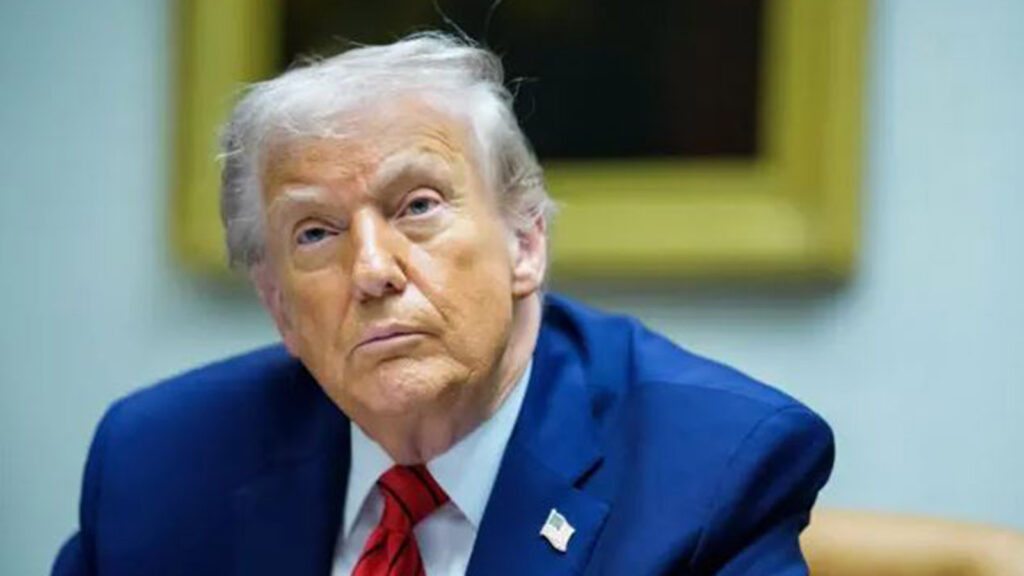
This is a materially different rationale than the diplomatic framing the administration has offered publicly. Trump told reporters Iran was “getting more and more serious” in talks and cast the choice facing Tehran as one between a deal and strikes at a “much higher level.” Yet the Pentagon reportedly presented Trump with a plan for a 14th consecutive night of strikes, which he declined to authorize — not, by these accounts, purely as a goodwill gesture toward negotiations, but against a backdrop of internal warnings about escalation risk.
That tension between public rhetoric and internal military-logistics reality is itself a story: it suggests a campaign whose limits are being set as much by supply chains as by strategy.
Dissent Inside the Administration
CNN’s reporting adds a layer of internal friction rarely visible in real time. Vice President JD Vance and General Dan Caine, the top US military officer, both raised concerns about further escalation in a White House meeting. Caine’s assessment — that the military could execute the strike options available, but that doing so carried risks worth weighing — reads as a rare public signal of caution from within the military leadership itself, rather than reflexive advocacy for more forceful action.
This matters because it reframes the pause not as a unilateral presidential decision but as the product of an internal consensus, however fragile, that the costs of further strikes may be starting to outweigh the benefits. Trump’s own framing — that he has “not decided” whether to resume full-scale operations — leaves the door open in both directions.
A War That Has Outgrown Its Original Battlefield
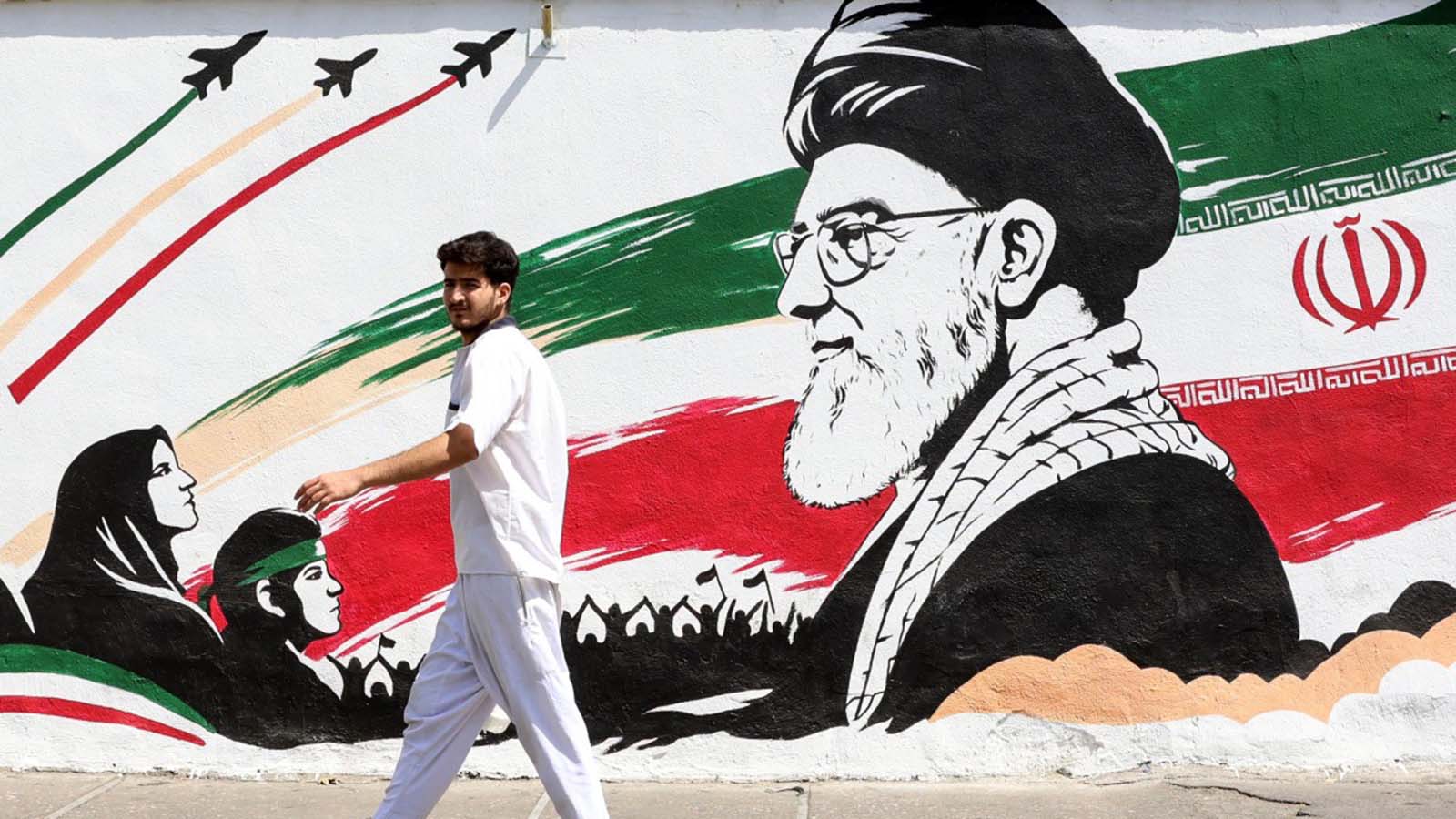
What began as a fight over control of the Strait of Hormuz has metastasized into a multi-front regional conflict. Iran’s military has extended its reach well beyond the strait: army spokesman Mohammad Akraminia said operations now span “from US bases in Jordan to the countries along the Persian Gulf,” and pointed to the Bab al-Mandab Strait — at the mouth of the Red Sea — as a new zone of confrontation, referencing the flare-up between Yemen’s Houthi rebels and Saudi Arabia.
That escalation produced a weekend exchange in its own right: Houthi forces claimed strikes on Saudi Aramco facilities in Jizan and Yanbu, a day after Saudi Arabia bombed Houthi targets — and Greek air defense personnel stationed in Saudi Arabia intercepted two ballistic missiles and a drone over Yanbu, an detail that underscores how deeply internationalized the air-defense burden has become, extending to NATO-adjacent personnel operating on Gulf soil.
Iran’s blockade-style enforcement in Hormuz continues in parallel: state television reported that Iranian forces intercepted six vessels attempting to transit the strait in the past 24 hours. At the same time, Tehran said it had made progress with Oman on “common principles and operational mechanisms” for shipping through the waterway — talks that began in June over proposed transit fees Washington opposes, and which have already strained relations after Muscat indicated ships could use its territorial waters to bypass Iranian conditions.
The Political Clock
The war’s duration is becoming its own political liability. Trump’s initial prediction of a four-to-five-week campaign has been overtaken by nearly five months of fighting, a gap that the reporting notes is weighing on his approval ratings ahead of the November midterms. That timeline pressure adds a layer of domestic political calculation to what is already a constrained military picture — raising the question of whether a resumed campaign, if it comes, would be driven by strategic necessity, political signaling, or both.
What to Watch
The Netanyahu-Trump meeting at the White House on Tuesday looms as a potential inflection point. Iran’s military has explicitly cited the visit as a marker for further escalation, with Akraminia warning that if Washington “fall[s] for the Zionists’ deception” and resumes air strikes, the conflict’s geographic scope would widen again. Foreign Minister Abbas Araghchi, meanwhile, has offered Iran as a mediator between the Houthis and Saudi Arabia, arguing there is “no military solution” to that front — a diplomatic gesture that sits uneasily alongside Iran’s own continued blockade actions in Hormuz.
Whether the current pause holds may depend less on the state of negotiations than on how quickly US defensive stockpiles can be replenished — and on what emerges from Tuesday’s meeting in Washington.
Sources: Wire reporting citing CNN, The New York Times, Axios, Greek air force media office, and Iranian and Saudi state media.